Search Trends 2026: 5 Emerging Consumer Signals Shaping Culture Right Now
Search behaviour is becoming one of the most valuable tools for understanding culture. These five emerging search signals reveal how consumers are thinking, spending and navigating an increasingly complex world.

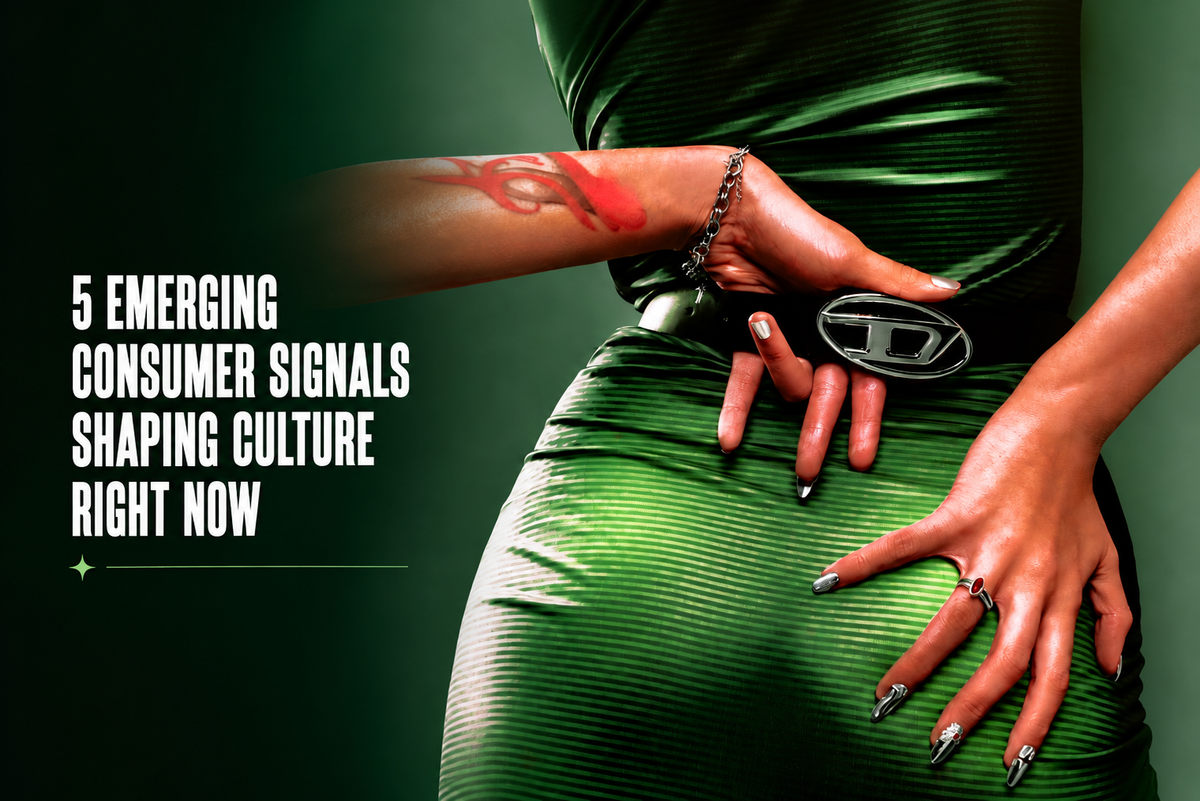
Search Trends 2026: The 5 Search Signals Reshaping Consumer Culture
From Y2K nostalgia to AI-powered discovery, these are the emerging search trends revealing where consumer culture is heading next.
Search behaviour is becoming one of the most valuable tools for understanding culture. These five emerging search signals reveal how consumers are thinking, spending and navigating an increasingly complex world.
The Search Bar Has Become a Cultural Mirror
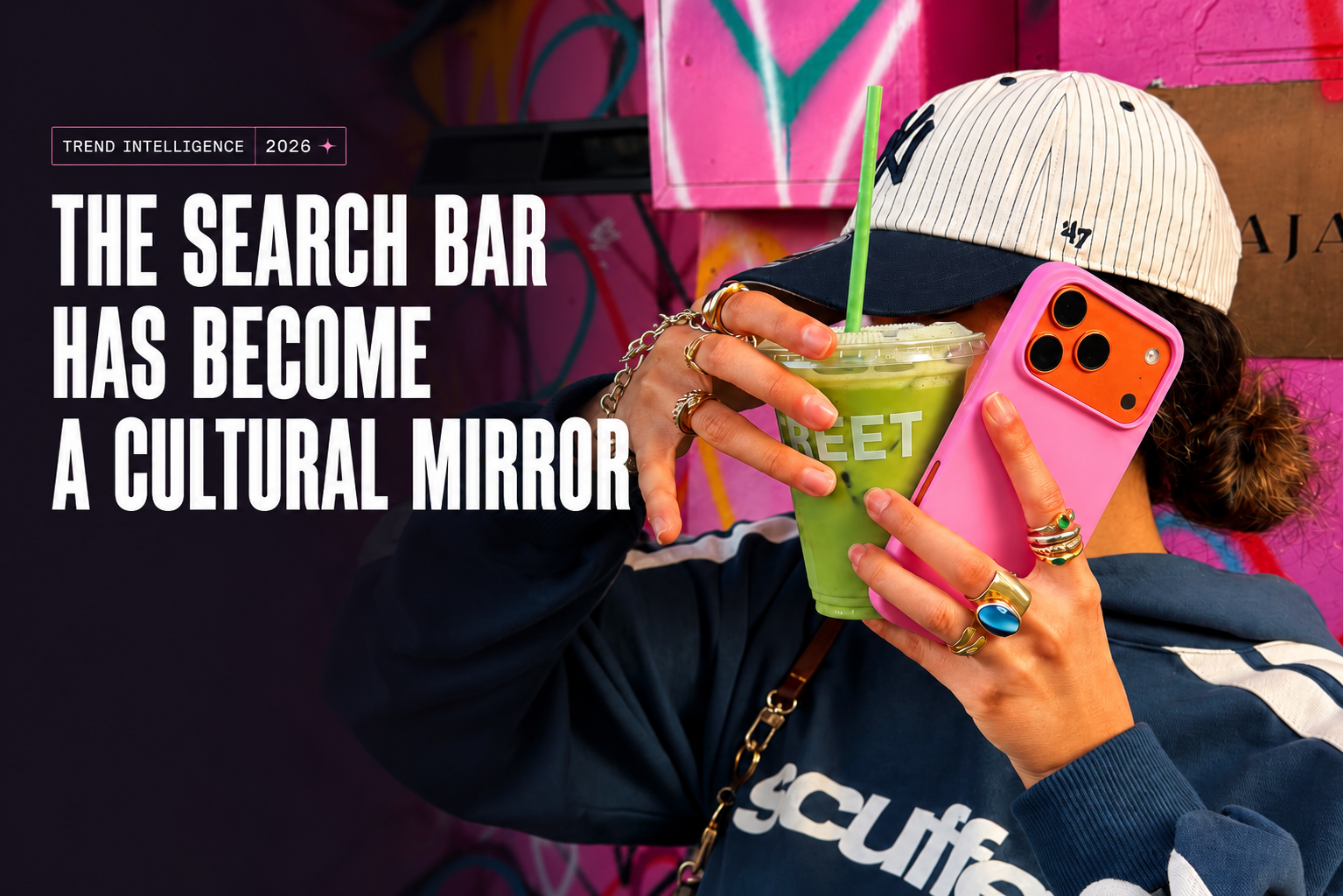
For most of the internet’s history, search engines functioned as directories. People arrived with a question, typed a few keywords, and left with an answer. Today, something more interesting is happening.
The search bar is becoming a confessional.
Every day, millions of people reveal what they are curious about, worried about, planning for and aspiring towards. Unlike social media, where behaviour is shaped by performance and identity, search remains one of the few digital environments where people tend to be remarkably honest. The questions we ask in private often reveal more about culture than the opinions we broadcast in public.
For anyone trying to understand where society is heading, this matters.
Search behaviour offers an unusually clear view into collective psychology. It shows what consumers are interested in before those interests become trends. It exposes anxieties before they become headlines. It highlights shifts in values before they appear in market reports.
Looking across current search behaviour, five interconnected signals are beginning to emerge. On the surface they seem unrelated. One concerns jelly shoes. Another concerns AI. A third concerns data centres. Together, however, they tell a coherent story about a population searching for certainty, trust and meaning in an increasingly complex world.
The Return of the Familiar
Why Nostalgia Continues to Dominate Consumer Attention
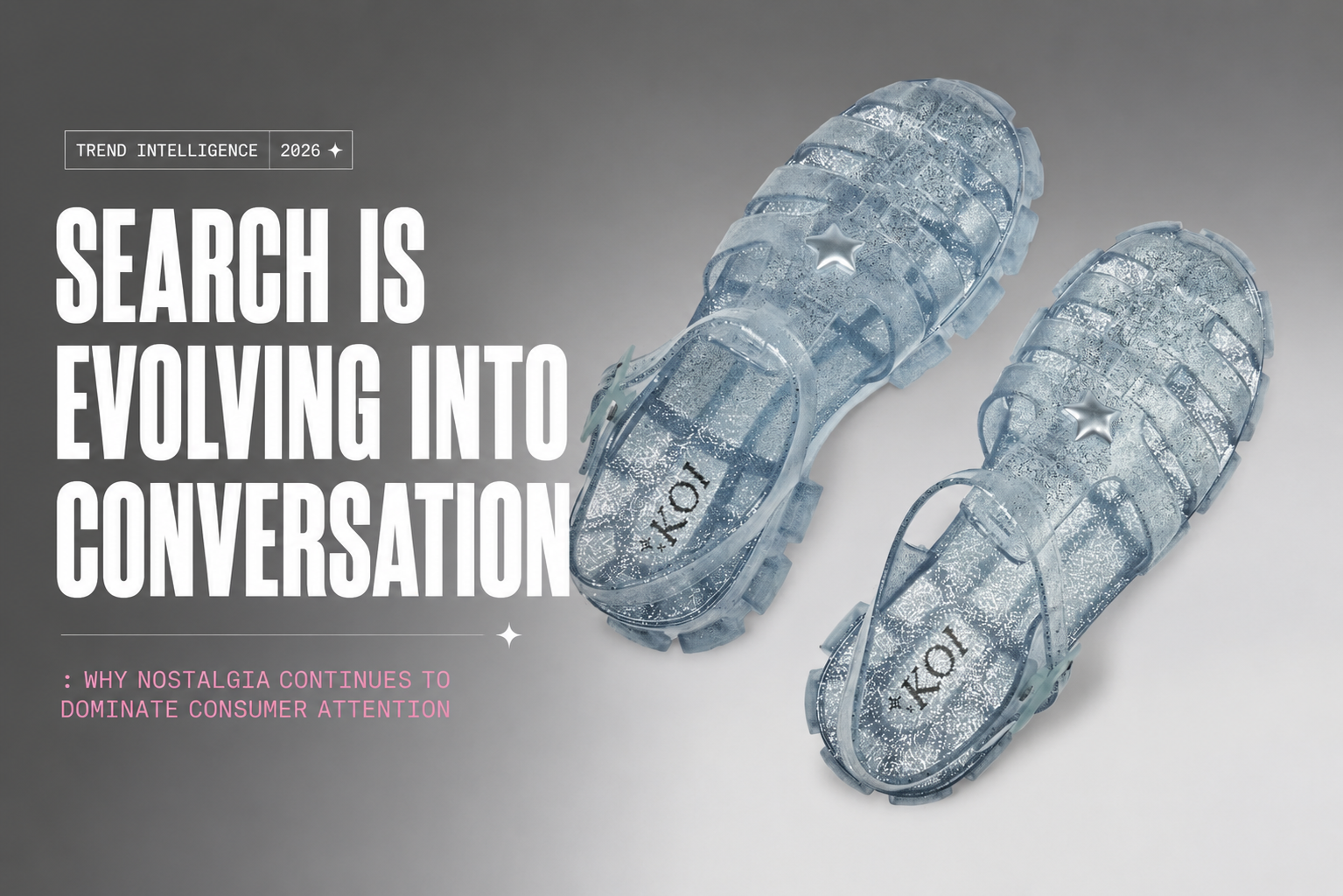
Every generation believes nostalgia belongs to the generation before it. Yet nostalgia remains one of the most powerful forces shaping consumer behaviour, particularly during periods of rapid change.
Recent search activity suggests that retro aesthetics continue to gain momentum across fashion, beauty and design. Searches associated with Y2K culture, jelly footwear, barrel bags, polka dots and other references to previous decades have all experienced renewed interest. The temptation is to dismiss this as another cyclical trend. That would miss the deeper story.
Consumers are not simply looking backwards. They are selectively borrowing from the past in order to navigate the present.
The versions of nostalgia gaining traction today are rarely authentic reproductions. Instead, they are contemporary reinterpretations designed for a different cultural moment. The popularity of translucent jelly shoes illustrates this perfectly. What was once a playful childhood accessory has been reintroduced as a fashion statement, filtered through contemporary aesthetics and social media culture.
This suggests nostalgia is serving a psychological function that extends beyond style. In periods characterised by economic uncertainty, technological disruption and information overload, familiarity becomes valuable. The past offers cultural reference points that feel stable, recognisable and emotionally safe.
The result is a growing preference for what might be described as “fresh familiarity”. Consumers want products, experiences and aesthetics that feel new enough to be exciting while remaining familiar enough to feel comfortable.
For brands, this represents a significant opportunity. The winners are unlikely to be those attempting to recreate the past exactly. Instead, success will belong to those capable of translating familiar cultural codes into something relevant for the present.
Why Consumers Are Choosing Small Luxuries Over Big Dreams
Economic uncertainty has traditionally been associated with reduced consumer spending. The reality is often more nuanced.
What changes is not necessarily the desire to spend but the justification for spending.
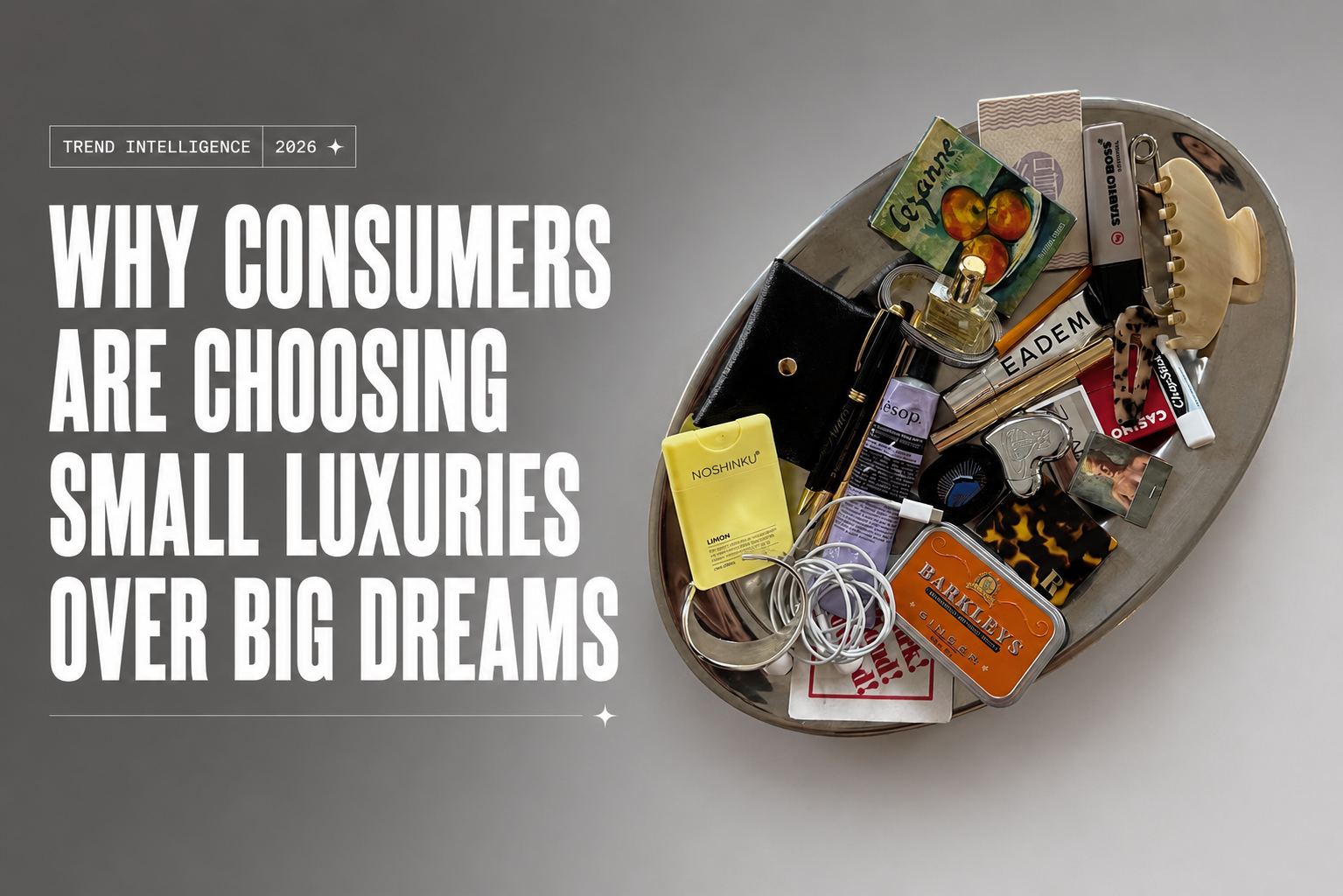
Search behaviour increasingly reflects a shift towards experiences and purchases that provide immediate emotional value. Wellness products, small indulgences, affordable luxury items and short escapes continue to attract attention as consumers seek manageable ways to improve daily life.
This marks an important departure from the aspirational consumer culture that dominated much of the previous decade. For years, marketing encouraged people to optimise for distant outcomes. Save for the dream holiday. Work towards the bigger house. Invest in the future version of yourself.
Today’s consumers appear less interested in postponing satisfaction indefinitely.
The rise of small luxuries reflects a broader recognition that quality of life is built through everyday experiences rather than singular milestones. A premium coffee, a wellness ritual, a beautifully designed object or a weekend away may not transform a person’s circumstances, but they can transform a day.
Search data suggests people increasingly understand that distinction.
Rather than waiting for future happiness, consumers are actively searching for ways to improve the present.
Search Is Evolving Into Conversation
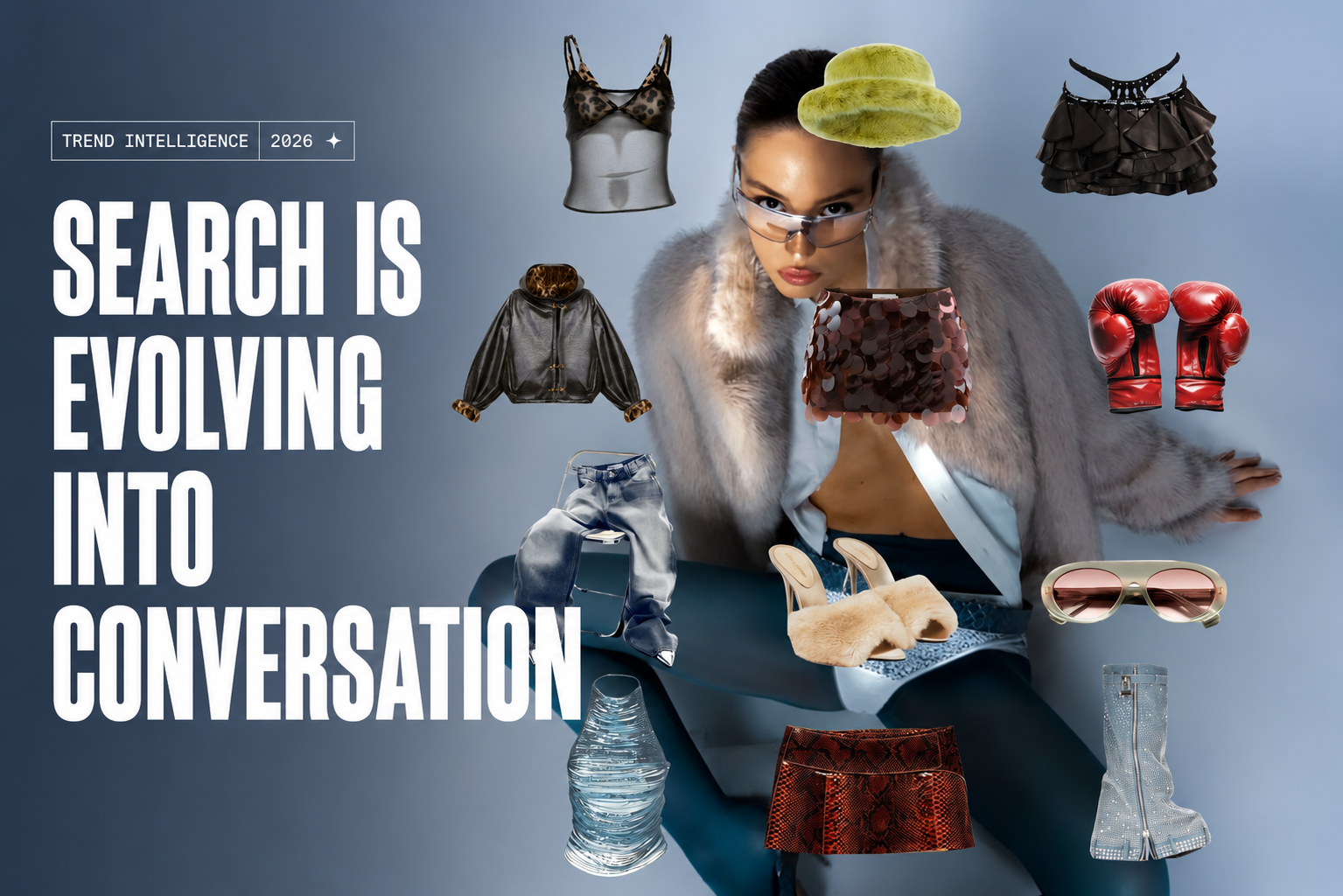
Perhaps the most significant transformation taking place is not what people are searching for but how they are searching.
The era of keyword optimisation is beginning to fade.
People no longer search in fragments. They search in full sentences. They ask questions. They seek explanations. Increasingly, they interact with search engines as though they are speaking to another person.
This shift reflects the growing influence of artificial intelligence on digital behaviour. As conversational interfaces become more common, expectations around information discovery are changing. Consumers want context, nuance and interpretation rather than simple lists of links.
The implications extend far beyond SEO.
Brands that continue producing content designed primarily for algorithms may find themselves struggling to compete in environments increasingly shaped by human-style dialogue. The organisations gaining visibility are often those providing genuine expertise, original thinking and comprehensive answers.
Search is becoming less transactional and more conversational.
In many ways, the search engine is evolving into a cultural intermediary, helping people make sense of an increasingly complex world.
The Growing Premium on Human Expertise
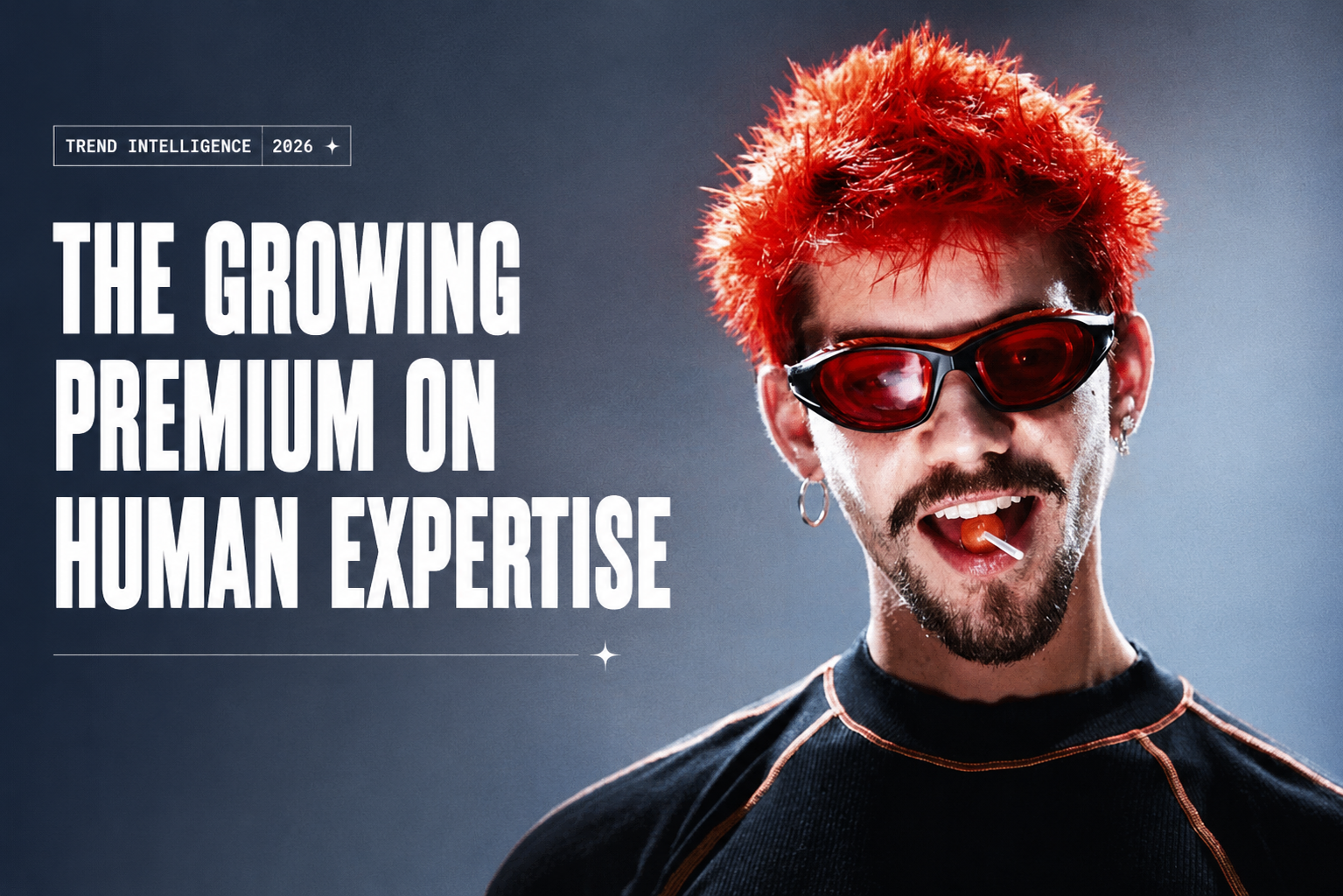
The rise of AI-generated content has created an unexpected consequence.
Authenticity is becoming scarce.
As the volume of automated content increases, consumers appear to be placing greater value on signals of genuine expertise. Search behaviour increasingly includes reviews, founder perspectives, first-hand experiences and expert analysis. People want evidence that information comes from someone who understands the subject rather than simply summarising it.
This is creating a new competitive landscape.
For years, success online was largely driven by scale. Publish more content, target more keywords and generate more traffic. Increasingly, however, audiences are rewarding originality over volume.
The internet is entering an era where information is abundant but trust is limited.
Those conditions tend to favour people and organisations capable of offering distinctive perspectives, proprietary insights and credible expertise.
The Unexpected Rise of Infrastructure Awareness

One of the most surprising developments emerging from search behaviour is the growing public interest in the systems underpinning digital life.
Historically, infrastructure remained invisible. Most people never thought about data centres, electricity grids or the physical architecture supporting the internet. The digital world appeared weightless.
Artificial intelligence is changing that perception.
As public awareness of AI grows, so too does curiosity about the resources required to power it. Consumers are increasingly searching for information about data centres, energy consumption, water usage and environmental impact.
This may seem like a niche concern today. It is unlikely to remain one.
The history of consumer culture suggests that once hidden systems become visible, public expectations tend to change rapidly. Supply chains, labour practices and sustainability reporting all followed a similar trajectory. What begins as a specialist conversation often becomes mainstream scrutiny.
The growing interest in digital infrastructure suggests the next phase of sustainability may focus not only on what organisations produce, but also on how the systems behind those products operate.
What These Signals Tell Us About the Future
Taken together, these search signals reveal something larger than individual consumer trends.
They point towards a culture attempting to regain a sense of stability amid accelerating change.
The popularity of nostalgia reflects a desire for familiarity. The rise of small luxuries reflects a desire for control. Conversational search reflects a desire for understanding. The demand for expertise reflects a desire for trust. Interest in infrastructure reflects a desire for transparency.
Viewed through that lens, these are not five separate trends.
They are five expressions of the same underlying cultural shift.
The organisations that succeed over the coming decade will not simply identify emerging trends. They will understand the human needs driving them.
Because every search begins with a question.
The most valuable insights come from understanding why that question was asked in the first place.
What This Signals Next
The future of consumer culture is likely to be defined by four forces: familiarity, wellbeing, trust and transparency. Brands that recognise these shifts early will be better positioned to build relevance in a world where attention is increasingly difficult to earn and authenticity is increasingly difficult to fake.
Who Should Pay Attention
Founders. Brand strategists. Marketers. Investors. Cultural forecasters. Policymakers. Anyone whose decisions depend on understanding where society is heading before the rest of the market catches up.