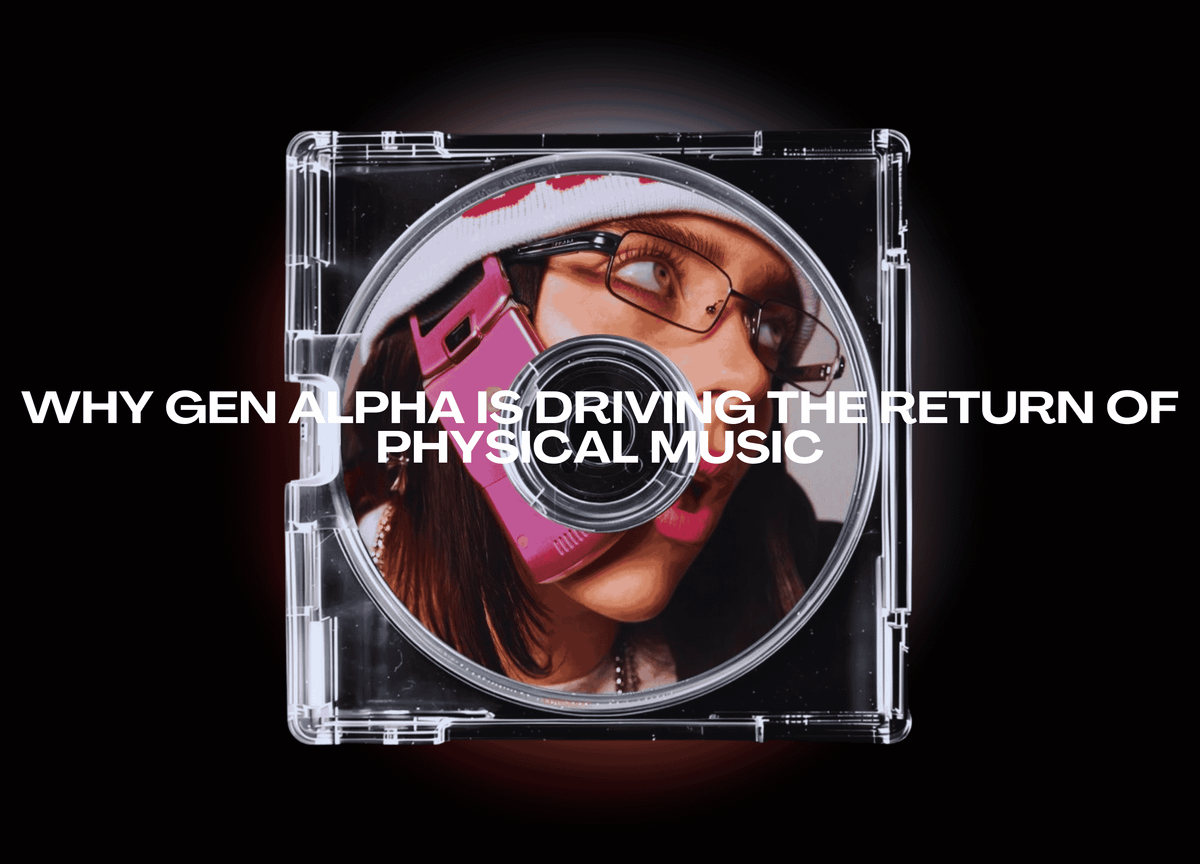
Why Gen Alpha Is Driving the Return of Physical Music
Gen Alpha is embracing vinyl, CDs, and cassettes. This shift signals a deeper cultural move toward analogue experiences, screen-free childhoods, and a post-digital future where physical media reshapes how music is discovered, owned, and valued.

The Rise of Physical Music in a Post-Digital Generation
The Return We Misread
For the better part of a decade, the resurgence of vinyl was framed as nostalgia. Aesthetic. A lifestyle accessory for Gen Z, carefully staged on bedroom shelves and Instagram grids. CDs lingered quietly in the background, while cassettes flickered in and out as ironic artefacts.
But something more structural has been forming beneath the surface.
The return of physical music is no longer a revival. It is becoming a reintroduction.
Why Gen Alpha Is Rediscovering Vinyl, CDs, and Analogue Culture
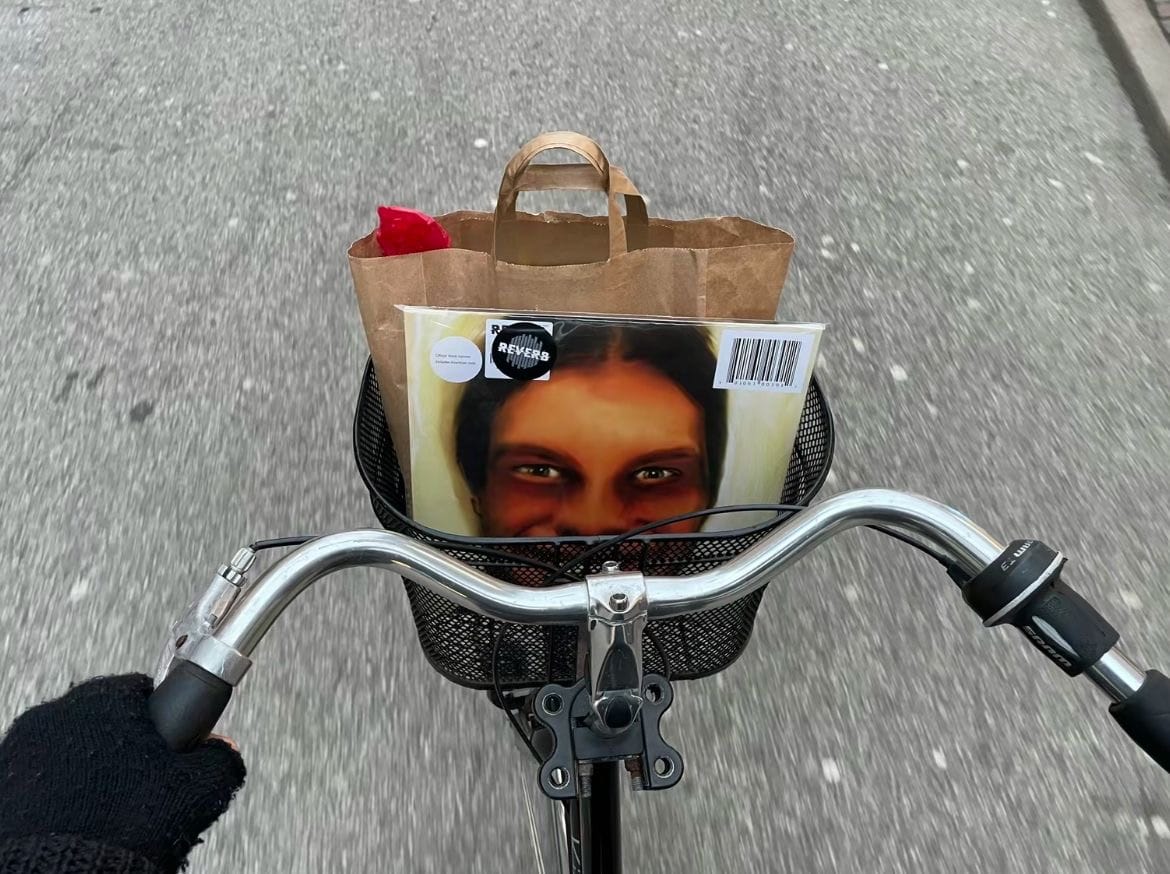
Recent UK data suggests that nearly half of children under 16 are now engaging with physical music formats. They are not merely aware of them. They are using them. Operating CD players. Handling records. Learning the mechanics of playback in a way that should, by all predictions, have disappeared.
A Generation That Didn’t Grow Up Digital-Only
The dominant narrative around Gen Alpha assumes total digital immersion. Born into streaming, raised on touchscreens, shaped by algorithmic discovery. A generation expected to move frictionlessly through content, without ever needing to touch it. Yet the data suggests something more nuanced is emerging.
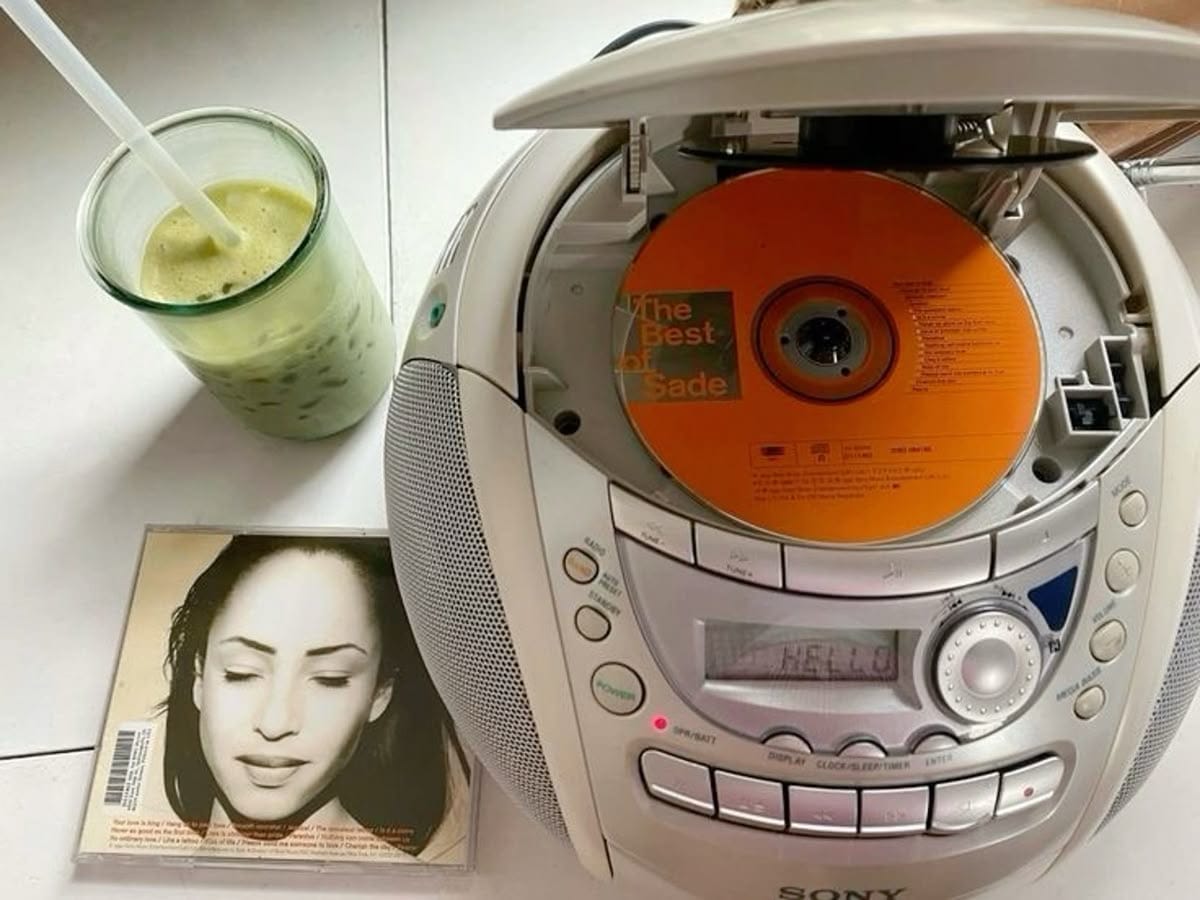
Children are not just consuming music. They are learning how to play it physically. More than half understand how to use a CD player. A significant proportion can operate record players. Vinyl, once considered a specialist format, is becoming legible again at a foundational level. This introduces a profound shift.
For the first time in decades, a generation is growing up bilingual in media formats. Digital is no longer the sole native language. Physical is being reintroduced as a parallel system of interaction.
And with it comes a different relationship to culture entirely.
The Invisible Architect: Parenting as Cultural Infrastructure
To understand this shift, you have to look beyond the children. Millennial parents are playing a decisive role in shaping this behaviour. Only a small minority express a preference for their children to listen to music via smartphones. The implication is clear. This is not passive adoption. It is active curation.
Physical music is being positioned as:
- A controlled alternative to screen time
- A slower, more intentional activity
- A shared experience between parent and child
This marks a critical transition. Culture is no longer being outsourced entirely to platforms. It is being re-domesticated.
Music moves from the private, personalised feed back into the shared space of the home. Played out loud. Chosen deliberately. Experienced collectively.
In this sense, physical formats are not just media. They are tools of environment design.
Friction as a Feature
Streaming promised convenience. Instant access. Infinite libraries. The removal of all barriers between listener and sound. Physical music reintroduces those barriers. And in doing so, it transforms them into value.
To play a record, you have to choose it. Place it. Flip it. Stay with it. To use a CD, you insert, wait, navigate tracks differently. These actions seem minor, but they fundamentally reshape behaviour.
They introduce:
- Intentionality over passivity
- Presence over background consumption
- Commitment over skipping
For Gen Alpha, this is not a rejection of technology. It is an expansion of sensory experience.
In a world where everything is immediate, friction becomes meaningful. The act of playing music becomes part of the experience, not just a gateway to it.
From Algorithm to Inheritance
One of the most overlooked aspects of this shift is how young people are accessing physical music. Not through platforms. Not even primarily through retail. But through:
- Family collections
- Shared ownership
- Borrowing from friends
This reframes music discovery in a way that streaming never could.
Instead of algorithmic recommendation, culture is being passed down. Curated through relationships. Filtered through taste that already exists in the physical world.
A parent’s record collection becomes a form of storytelling. A friend’s CD becomes a social signal. Ownership becomes communal. This introduces a new dynamic.
Music is no longer just discovered. It is inherited, negotiated, and reinterpreted.
The Role of the Artist: Music as Object
At the same time, artists have been quietly reshaping how music is released.
Figures like Taylor Swift, Billie Eilish and Charli XCX have not just embraced physical formats. They have redesigned them. Albums are no longer singular objects. They are:
- Multi-variant releases
- Collectible editions
- Visual and tactile artefacts
This transforms music into something closer to fashion or art. Owning an album becomes a statement. A display of identity. A participation in culture that extends beyond listening. For younger audiences, this matters. Because it introduces the idea that music is not just something you hear. It is something you hold, curate, and live with.
What This Signals for the Future
The rise of physical music among Gen Alpha is not an isolated trend. It is an early signal of broader cultural realignment.
1. Physical Media Will Become Foundational Again
Physical formats may shift from premium niche to entry-level experience, introduced early and normalised over time.
2. Hardware Will Re-Emerge as a Cultural Category
There is growing opportunity in:
- Design-led record players
- Child-friendly audio systems
- Hybrid digital-analogue devices
Technology will not disappear. It will reshape itself around physical interaction.
3. The Object Economy Will Expand
Music will increasingly exist across two layers:
- Streaming for access
- Physical for ownership
This creates a new kind of economy built on collectibility, scarcity, and design.
Implications for Culture, Brands, and Power
Culture
We are entering a phase where digital saturation creates demand for analogue balance. The future is not less technology, but more intentional use of it.
Brands
There is clear opportunity to:
- Build products that prioritise tactility and ritual
- Create collectible ecosystems around media
- Design for shared, offline experiences
Power
Control over discovery and engagement may fragment. Platforms remain dominant, but they are no longer uncontested.
Who Should Pay Attention
- Music industry leaders redefining release strategies
- Consumer tech brands exploring new hardware categories
- Cultural strategists tracking Gen Alpha behaviour
- Education and parenting sectors shaping early experiences
In other news. Gen Alpha isn’t killing retail. They’re turning it into something entirely different. Read more here:
 Brad Davidson