The Future of Retail: Why Gen Alpha Is Driving a Return to Physical Stores
Gen Alpha is driving a shift back to physical retail, favouring immersive, in-store experiences over digital shopping. Discover how sensory design and experiential retail are shaping the future of consumer behaviour.

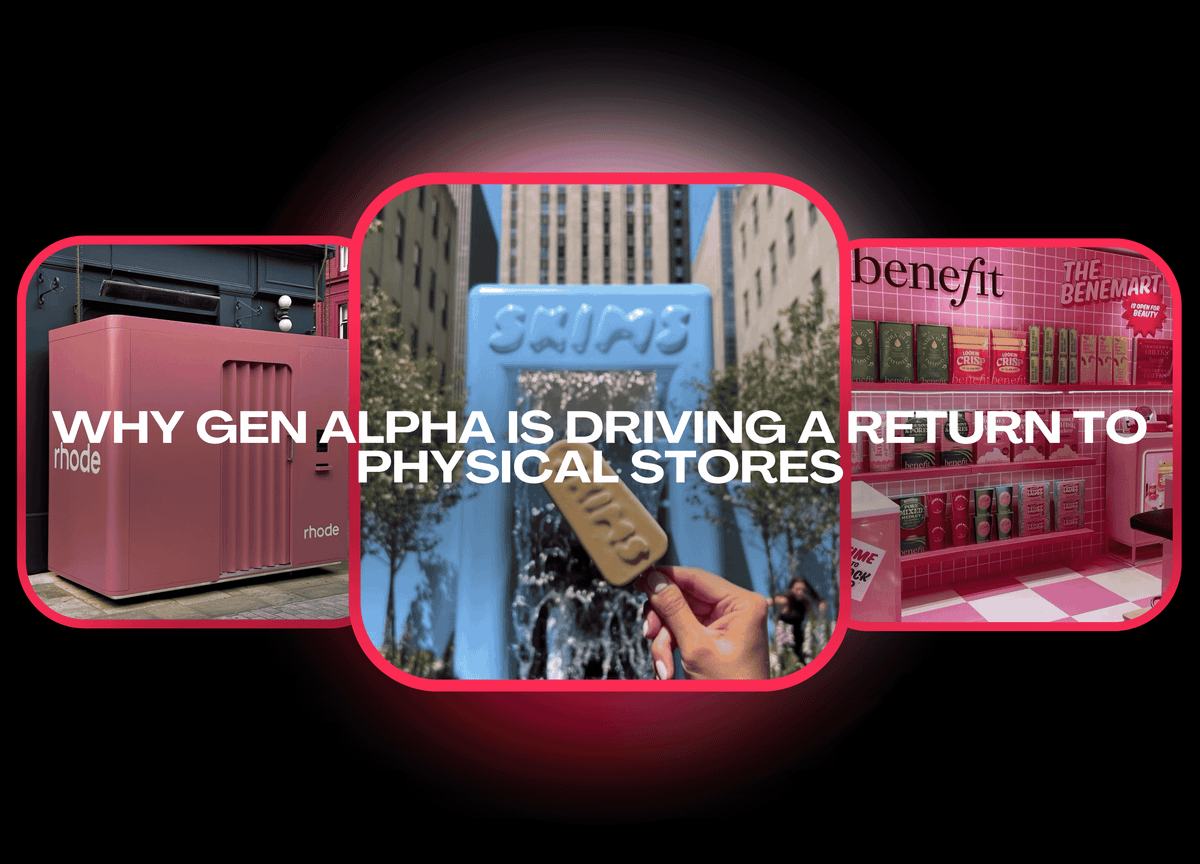
Gen Alpha Shopping Trends: The Shift from Digital Convenience to Physical Experience
Need to know
Retail has spent the past decade optimising for speed, convenience and frictionless digital transactions. Gen Alpha is quietly reversing that trajectory. Despite being the most digitally native generation in history, they are demonstrating a clear preference for physical retail, reframing stores not as points of sale but as spaces of experience, identity formation and social interaction.
The data is already pointing to a structural shift. A majority of young consumers prefer shopping in-store over online, while 66% of US Alphas are willing to pay a premium for physical products over digital alternatives. Their average annual spending is rising rapidly, and by the end of the decade, their economic influence is expected to rival that of Millennials and Gen Z combined.
How Sensory Retail and Immersive Store Design Are Driving Gen Alpha Spending
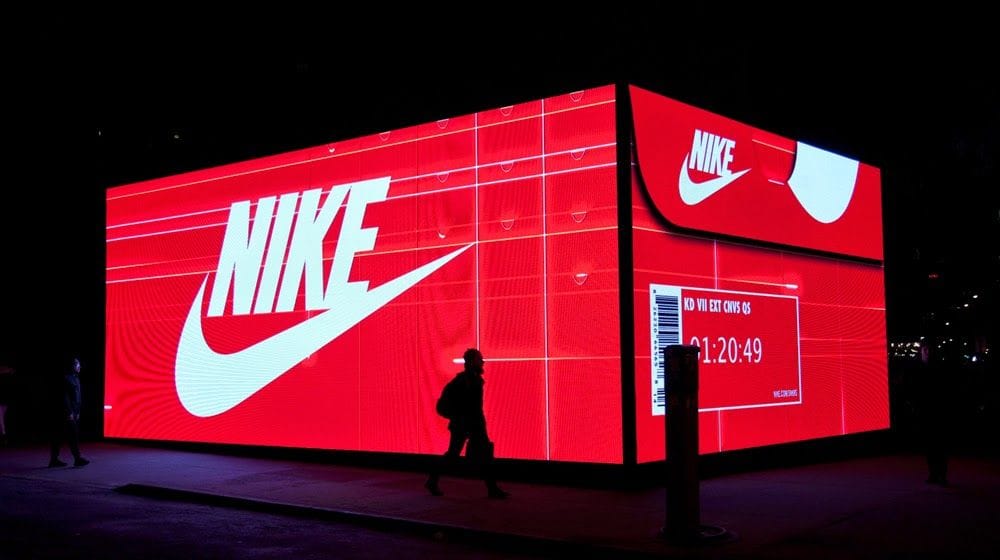
The Signal: A Sensory Rebellion Against Digital Saturation
Gen Alpha has grown up in an environment of constant digital mediation. Their lives have been shaped by screens, algorithms and platform-native interactions from infancy. What emerges from this is not deeper digital attachment, but a heightened awareness of what digital lacks. Physical retail offers something fundamentally scarce in their world: texture, presence and unpredictability.
Stores are becoming a form of “third space” again. Not home, not school, but somewhere in between. A place to explore, test identity and experience the world beyond the interface. The pandemic intensified this dynamic, compressing formative years into digital-only environments and amplifying the emotional value of real-world interaction.
This explains the rise of the “Sephora tween” phenomenon, where in-store discovery becomes both a social ritual and a gateway into consumer identity. It is not just about products. It is about participation.
The Shift: From Transaction to Immersion
For Gen Alpha, the baseline expectation of retail is no longer access. It is engagement. They do not enter stores to complete tasks. They enter to feel something.
This creates a fundamental shift in how value is defined. Efficiency is no longer the primary metric. Experience per square metre is.
Retail environments are being re-evaluated through a sensory lens. Touch, sound, smell and visual stimulation are no longer atmospheric enhancements but core drivers of conversion. Research consistently shows that the ability to physically interact with products significantly increases purchase intent, particularly among younger consumers navigating early brand relationships.
In this context, the store becomes a testing ground for trust. A place where products are validated through direct experience rather than digital representation.
The Opportunity: Designing for Sensory Hunger
What Gen Alpha reveals is a deeper cultural tension. A generation raised in digital abundance is now seeking sensory scarcity.
This creates a clear opportunity for brands willing to rethink retail as a multi-sensory system rather than a distribution channel.
Tactility becomes a status signal. Physical ownership carries weight in a world dominated by ephemeral digital goods. This is why many Alphas are willing to pay more for items they can hold, wear and display.
Technology still plays a role, but its function is evolving. The most effective retail environments are not replacing physical interaction with digital layers, but amplifying it. Interactive displays, customisation stations and immersive visual elements enhance the experience rather than distract from it.
At the same time, emotional design is becoming a competitive advantage. Colour, lighting and spatial storytelling are being used to guide behaviour, create moments of delight and build memory. Consumers are increasingly drawn to brands that make them feel something, not just those that function efficiently.
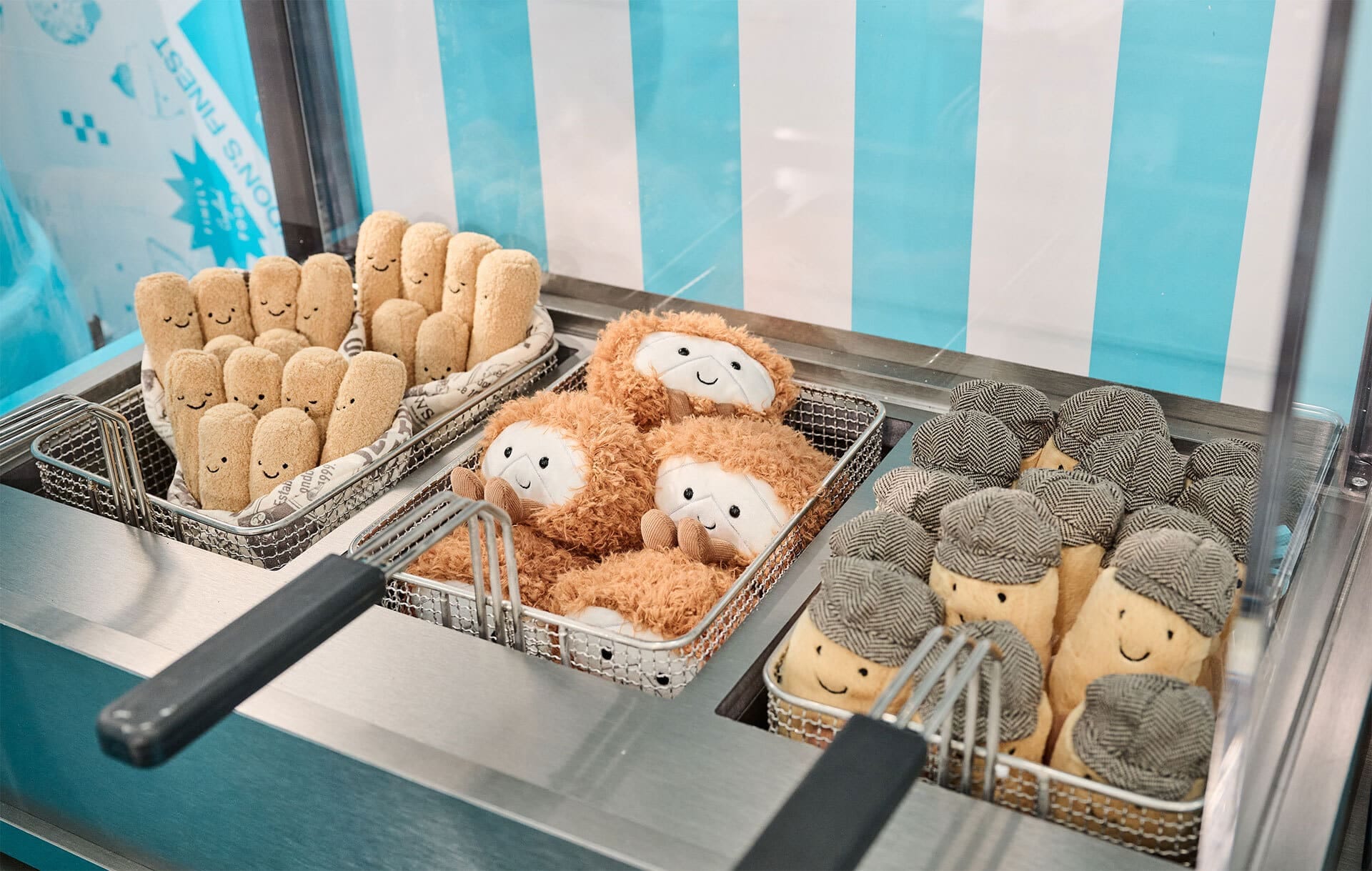
What This Signals
Gen Alpha is triggering a pendulum swing in consumer culture. After years of digitisation, the next phase of retail will be defined by re-materialisation. Physical spaces will matter more, not less. But only if they evolve. The store of the future is not quieter, faster or more optimised. It is richer, more expressive and more human.
What Happens Next
Expect to see:
- A rise in immersive, experience-led flagship stores
- Increased investment in sensory design and spatial storytelling
- Hybrid retail formats blending physical interaction with light-touch digital augmentation
- Stronger emphasis on community-driven retail spaces
Retailers that fail to adapt risk becoming purely transactional endpoints in a culture that is increasingly experience-driven.
Implications
For culture
Physical experience is regaining cultural currency. The offline world is becoming a site of meaning, not just logistics.
For brands
Retail strategy must shift from efficiency to emotion. The question is no longer how quickly a product can be sold, but how memorably it can be experienced.
For power
Gen Alpha is shaping the next retail paradigm earlier than expected. Their preferences will influence not just youth markets, but broader consumer expectations over the next decade.
This shift mirrors the rise of visible beauty and wearable wellness, where physical presence, texture and embodiment are becoming central to how younger consumers engage with products.
 Brad Davidson