science
The Good News You Probably Missed in 2025
Amid crisis headlines, 2025 quietly delivered real progress. From clean energy to medicine and science, here’s the good news that slipped past the algorithm.
finance
Social skills are driving wage growth and job security in the modern economy. We explore new economic research on why human connection now outperforms technical skill.

geopolitics
An accessible, fact-checked explainer of the 2026 Venezuela crisis: the U.S. capture of Nicolás Maduro, what international law says, why oil matters, and what happens next
environment
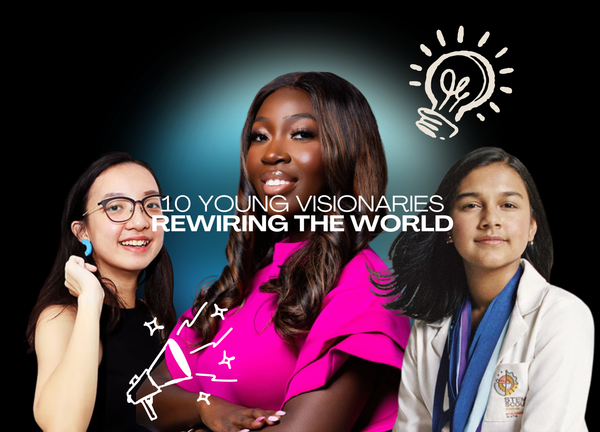
They’re launching companies before finishing university, rewriting climate policy between classes, and turning social movements into global blueprints for change.

Housing prices are rising far faster than incomes, and a new economic study shows how collapsing home-ownership prospects are reshaping a generation. From reduced work effort to higher spending and riskier investments, young adults face shifting financial behaviours and widening inequality.
AI’s hunger for data is quietly erasing the internet’s cultural memory, draining archives, rewriting history, and redefining who owns knowledge.
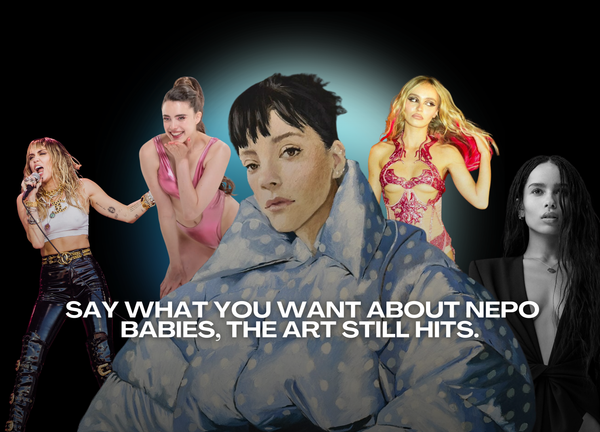
They were born with access, but they still make art that moves us. From Lily Allen to Zoe Kravitz and Miley Cyrus, Truffle Culture explores the paradox of privilege and pain in pop culture’s most divisive creators.

Victoria’s Secret was cancelled in the woke era — but is beauty really the enemy? Explore the psychology of desire, the return of glamour, and why sex still sells.
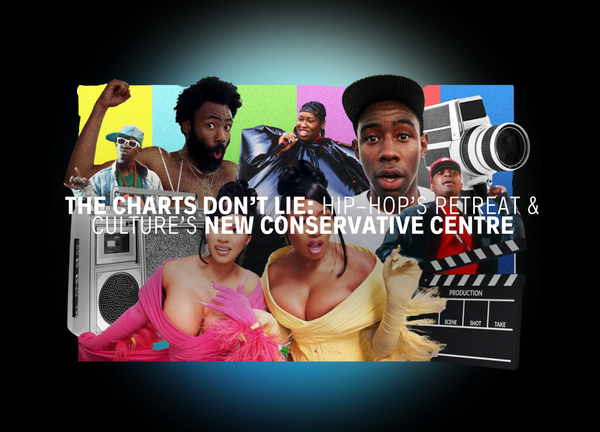
Hip-hop’s dominance is fading reflecting a broader cultural shift toward nostalgia and conservatism.
Short-form video apps are rewiring our brains for constant dopamine hits. Neuroscientists warn the endless swipe weakens focus, memory, and self-control—training us to crave instant rewards while eroding deep attention. Here’s how TikTok and Reels hijack your mind and what it takes to reclaim it.
Join 500,000+ Curious Minds Redefining the Zeitgeist.
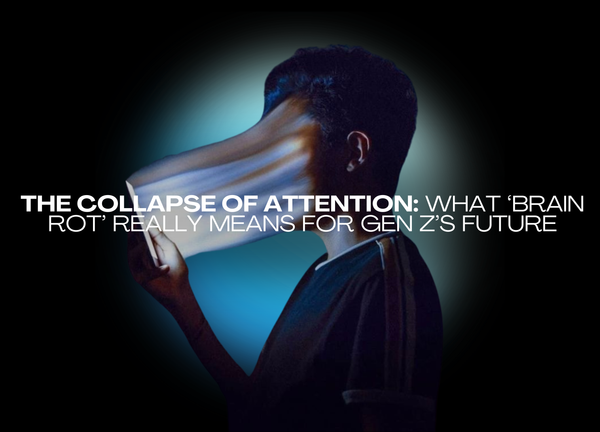
New research reveals how constant scrolling, short-form videos, and AI tools may accelerate cognitive aging in Gen Z. Inside the neuroscience behind “brain rot” and the movement to reclaim attention.
Housing prices are rising far faster than incomes, and a new economic study shows how collapsing home-ownership prospects are reshaping a generation. From reduced work effort to higher spending and riskier investments, young adults face shifting financial behaviours and widening inequality.

For decades, the art world has mythologised a very specific type of collector: usually male, usually older, usually armed with generational wealth and a Rolodex of blue-chip galleries. But the data emerging from the 2025 Art Basel & UBS Survey of Global Collecting tells a radically different story — one that
AI’s hunger for data is quietly erasing the internet’s cultural memory, draining archives, rewriting history, and redefining who owns knowledge.
They were born with access, but they still make art that moves us. From Lily Allen to Zoe Kravitz and Miley Cyrus, Truffle Culture explores the paradox of privilege and pain in pop culture’s most divisive creators.
Victoria’s Secret was cancelled in the woke era — but is beauty really the enemy? Explore the psychology of desire, the return of glamour, and why sex still sells.

OpenAI’s Sora 2 shows how fast the AI arms race is moving, redefining art, identity, and culture in real time.
Hip-hop’s dominance is fading reflecting a broader cultural shift toward nostalgia and conservatism.
Short-form video apps are rewiring our brains for constant dopamine hits. Neuroscientists warn the endless swipe weakens focus, memory, and self-control—training us to crave instant rewards while eroding deep attention. Here’s how TikTok and Reels hijack your mind and what it takes to reclaim it.
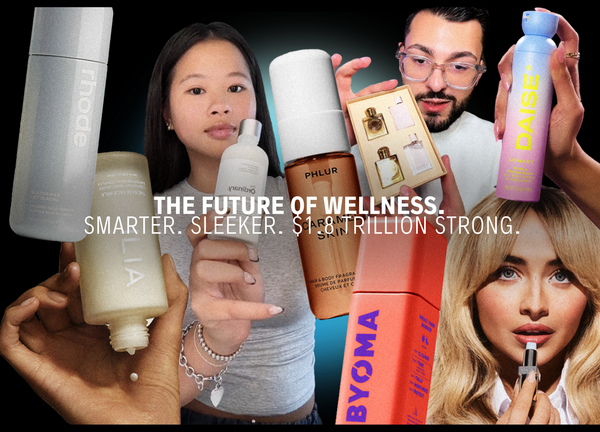
The $1.8 trillion wellness industry is trading fad for fact. Forget “all-natural” hype—today’s consumers want proof, personalization, and sleek tech
A new study in Nature Climate Change reveals repeated heatwave exposure can accelerate biological ageing as much as smoking or drinking. What does this mean for wellness, equity, and our climate future?
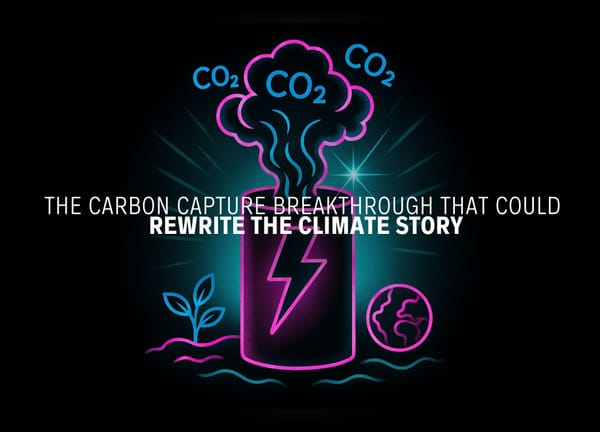
In August 2025, University of Houston researchers unveiled two carbon capture breakthroughs—including a vanadium redox flow battery that stores renewable energy while inhaling CO₂. Could “batteries that breathe” redefine how we fight climate change?