Gen Z Trends 2026: The Cultural Shifts Redefining Identity, Work, and Reality
Discover the top Gen Z trends for 2026, including cultural shifts, digital behaviour, and emerging platforms. Learn how Gen Z is reshaping culture, identity, and influence in a rapidly changing landscape.
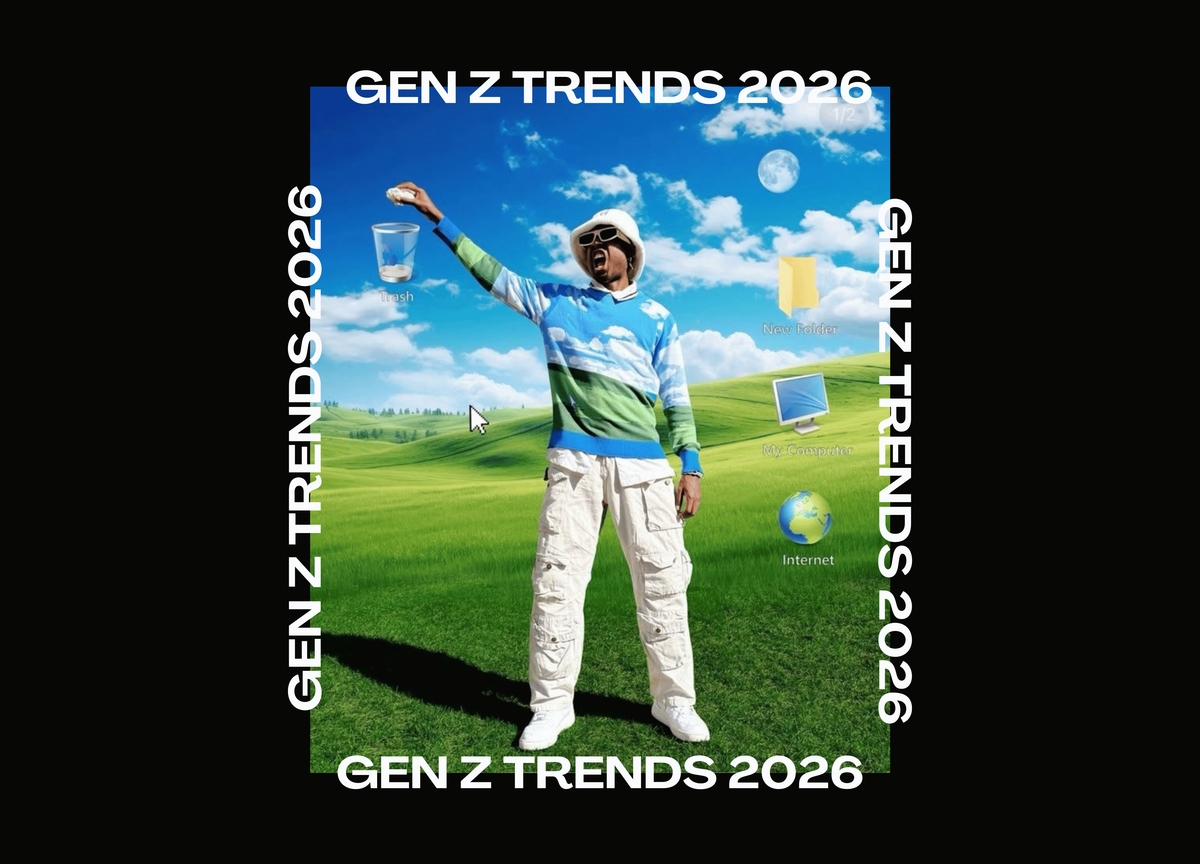
Gen Z Trends 2026: The Key Cultural Shifts Defining the Year
Generation Z is no longer an emerging audience. In 2026, they are the architects of culture itself.
But something deeper is happening beneath the surface. This is not just a generation shaping trends. It is a generation rewriting the conditions under which trends emerge.
The aesthetic cycles, platform behaviours, and identity frameworks that defined the 2010s are dissolving. In their place, a new cultural operating system is forming. It is slower, more fragmented, more intentional, and paradoxically, more human.
If 2020 to 2024 was defined by acceleration and algorithmic dominance, then 2026 marks a recalibration.
This article maps the most important Gen Z cultural trends for 2026, not as fleeting aesthetics, but as structural shifts that will define what comes next.
How Gen Z Is Shaping Culture in 2026 and Beyond

1. The Algorithm Is No Longer Invisible
For the last decade, platforms operated on a quiet premise. The algorithm decided what mattered, and users accepted it. That era is ending.
Gen Z is becoming increasingly aware of how algorithmic systems shape taste, identity, and even worldview. More importantly, they are beginning to resist it.
Rather than passively consuming content, users are actively trying to “hack” visibility, curate feeds, and understand the mechanics behind reach. Cultural literacy now includes algorithmic literacy.
This shift marks a subtle but important transition. Power is no longer fully centralised within platforms. It is being contested.
👉 For a deeper exploration of how this dynamic is reshaping behaviour and cultural production,
 Brad Davidson
2. Digital Saturation Is Driving a Return to Physical Culture
For a generation raised online, the most unexpected shift is happening offline. We are entering what can be described as a post-digital recalibration. Gen Z is not abandoning the internet, but they are rebalancing their relationship with it.
There is a growing desire for:
- Real-world experiences
- Tangible communities
- Sensory engagement beyond screens
From run clubs to creative workshops to niche community gatherings, physical presence is becoming a form of cultural capital. This is not nostalgia. It is a response to digital exhaustion.
The implication is profound. Culture is no longer purely scalable. Some of the most valuable experiences are intentionally small, local, and embodied.
👉 Explore this shift further here:
 Brad Davidson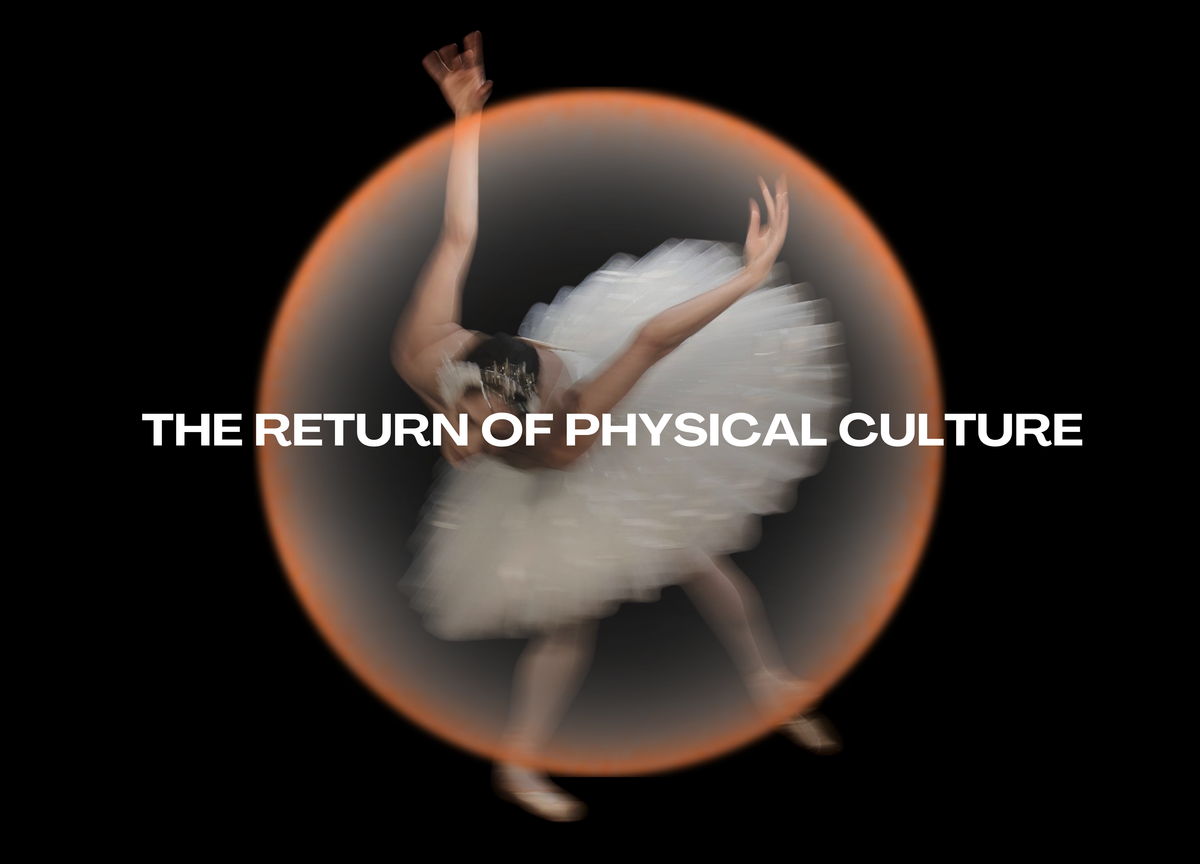
3. The Fragmentation of Mass Social Media
The idea of a single, dominant cultural platform is dissolving. Gen Z is increasingly moving away from mass social spaces and towards fragmented, niche, and often private environments. This includes:
- Close friends stories
- Private group chats
- Discord servers
- Micro-communities built around shared identity or interest
The public feed is losing its cultural centrality. In its place, we are seeing the rise of intimate digital ecosystems.
This fragmentation creates a paradox. Culture becomes harder to track, but more meaningful within each micro-space.
For brands and institutions, this represents a loss of broadcast power. Influence must now be earned within smaller, more trust-driven environments.
👉 A deeper breakdown of this shift can be found here:
 Brad Davidson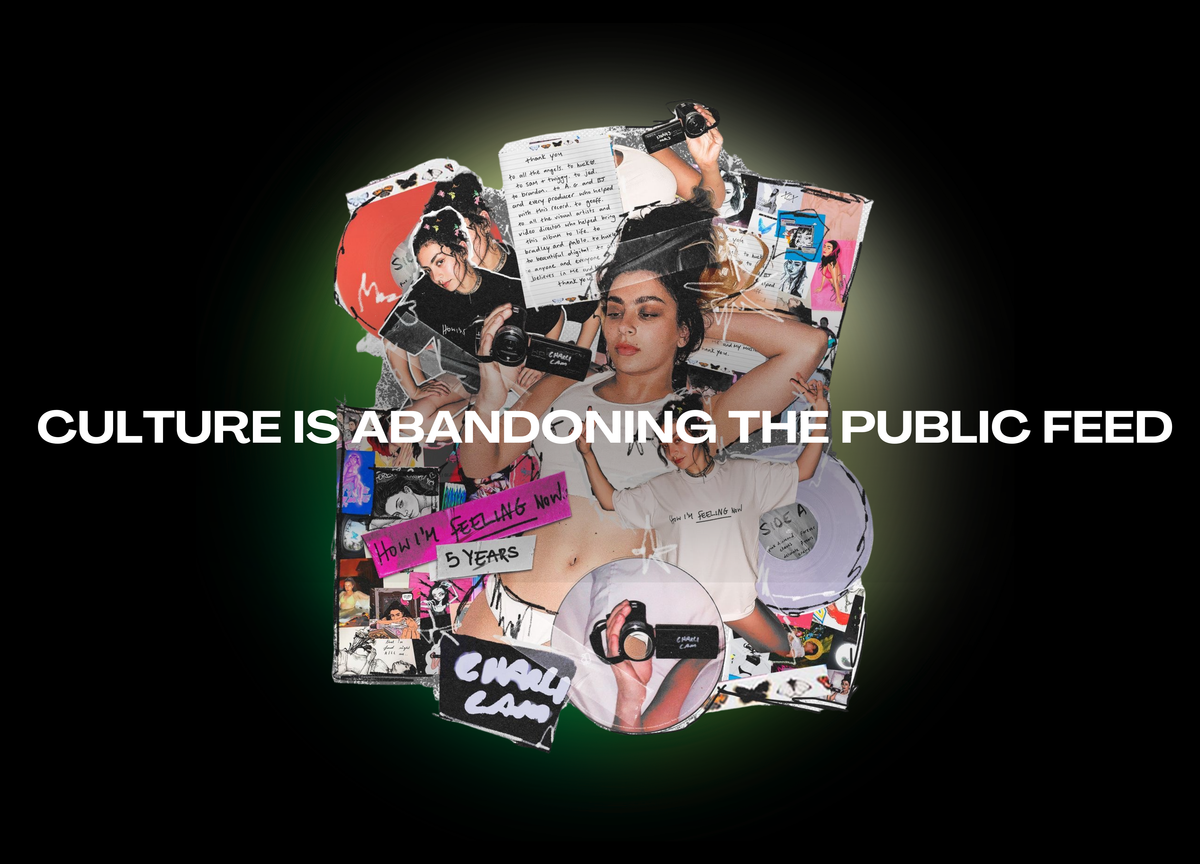
4. Gaming Is Becoming Culture’s New Operating System
Gaming is no longer a subculture. It is rapidly becoming a foundational layer of culture itself. What makes gaming powerful is not just scale, but structure. It offers:
- Persistent worlds
- Interactive storytelling
- Identity experimentation
- Social connection
For Gen Z, gaming is not separate from culture. It is where culture happens.
This convergence is giving rise to what can be described as “gamtertainment”. A hybrid space where entertainment, social interaction, and cultural participation merge.
The implications extend far beyond gaming itself. We are seeing:
- Fashion launching inside games
- Music premiering in virtual environments
- Communities forming around shared digital experiences
👉 To understand this evolution in depth:
 Brad.
Brad.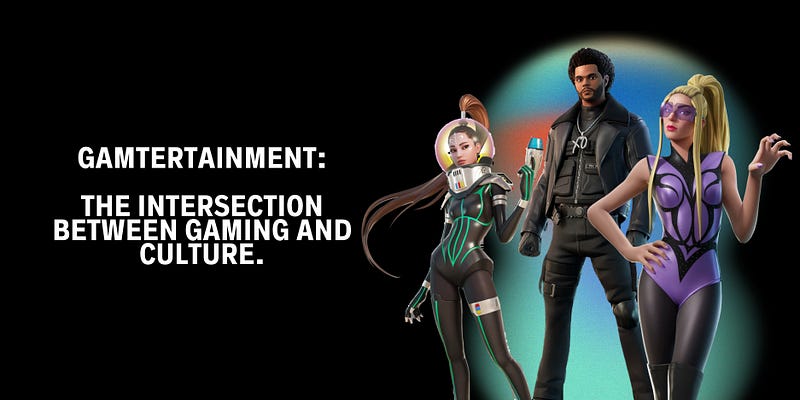
5. Identity Is Becoming Increasingly Fluid and Contextual
Perhaps the most defining characteristic of Gen Z culture is not what they consume, but how they define themselves.
Identity is no longer fixed or singular. It is:
- Multi-layered
- Context-dependent
- Continuously evolving
Different platforms, spaces, and communities allow for different expressions of self.
This fluidity challenges traditional ideas of audience segmentation, branding, and even authenticity. A single, consistent identity is no longer the goal. Adaptability is.
This is one of the underlying forces driving many of the shifts outlined above, including the move towards private spaces and niche communities.
👉 For further insight into how these identity dynamics intersect with platform behaviour:
 Brad Davidson
What This Signals

Taken together, these trends point to a broader structural shift: Culture is moving from mass to modular.
Instead of large, shared cultural moments, we are entering an era defined by:
- Smaller, more intentional communities
- Blended digital and physical experiences
- Participatory rather than passive engagement
- Fluid identity rather than fixed categories
This does not mean culture is fragmenting into irrelevance. It means it is becoming more complex, layered, and difficult to control.
What Happens Next
Looking ahead to 2026, several trajectories become clear:
- Platforms will struggle to maintain cultural dominance as users decentralise their attention
- Physical experiences will become premium cultural assets, particularly those that cannot be replicated online
- Gaming and interactive environments will expand beyond entertainment into core cultural infrastructure
- Brands will need to operate within communities, not just market to them
The common thread is a shift away from scale as the primary driver of influence. Relevance, not reach, becomes the defining metric.
Implications for Culture, Brands, and Power
For cultural institutions, this is a moment of recalibration. Traditional gatekeeping structures are losing authority.
For brands, it demands a fundamental rethink. Visibility alone is no longer enough. Participation and credibility within specific communities matter more.
For founders, investors, and decision-makers, this represents both risk and opportunity. Those who understand these shifts early will be positioned to build within the next cultural infrastructure.
Join our free mailer below. Cultural foresight for people who want to understand what’s coming next.