The Lyst Index Shows Fashion Is Moving Beyond Hype
The Lyst Index reveals a quiet fashion revolution, where identity, utility, and coherence are replacing hype, trends, and algorithm-driven style.
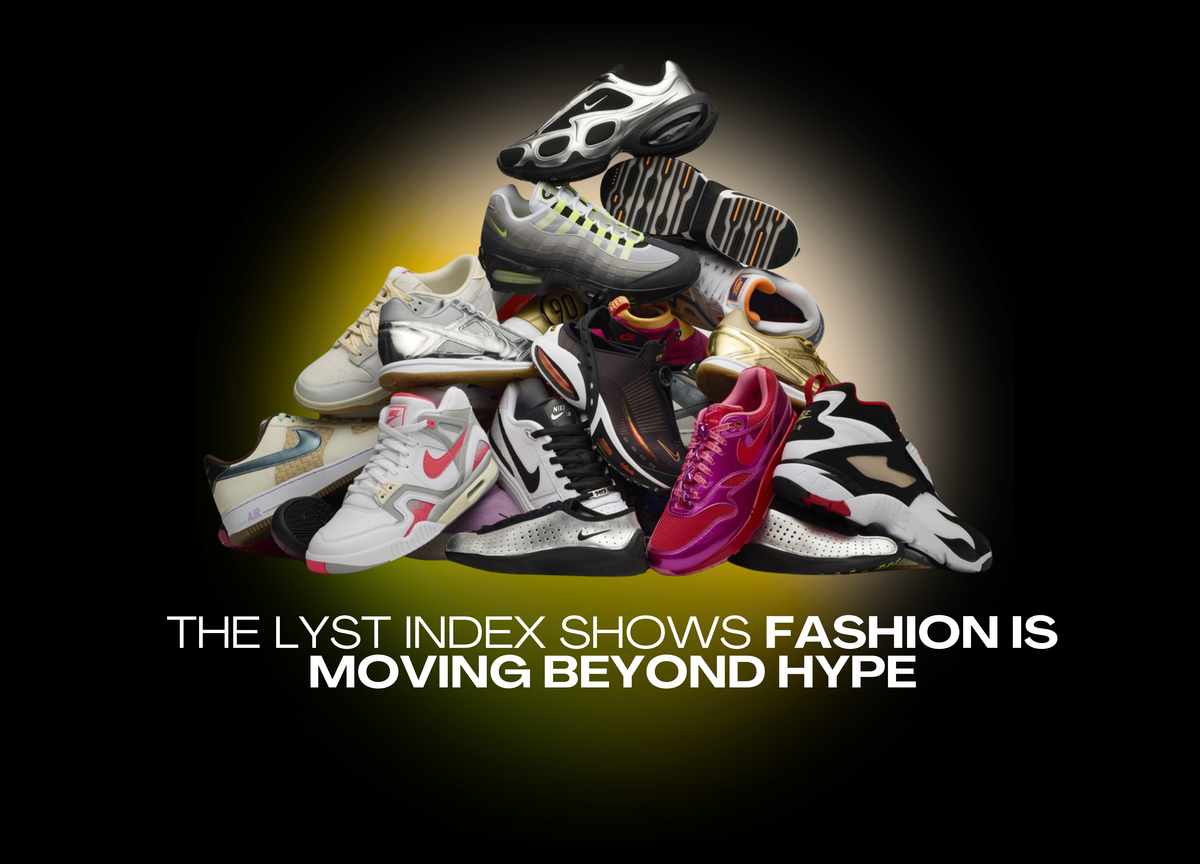
Why the Lyst Index Shows Fashion Is Choosing Identity Over Hype
Fashion rarely announces its most important shifts loudly. They arrive gradually, almost politely, visible only to those paying attention to what people actually buy rather than what dominates runways or timelines. The latest edition of the Lyst Index confirms this moment. Beneath the rankings and search spikes sits a deeper cultural signal. We are entering an era where confidence in identity and usefulness is outperforming spectacle.
This is not the return of conservatism. It is the maturation of taste.
Across the quarter, the strongest performers were not the most provocative or algorithmically engineered brands. They were those with clear, recognisable creative codes and products that make sense in everyday life. Consistency is winning. Clarity is currency.
Fashion Is Relearning Who It Is For
For much of the past decade, fashion operated at the pace of content. Drops accelerated. Trends collapsed into micro moments. Clothing became a visual language optimised for feeds rather than lives. What the Lyst data now reveals is a collective recalibration.
Search demand has tilted toward pieces that feel stable, familiar, and considered. Items that can be worn repeatedly, styled flexibly, and aged with dignity. The rise of the quarter zip is not an accident. It signals something larger. A preference for garments that offer comfort without apology and elegance without explanation.
This is fashion stepping back into its original role. To serve the body and express identity, not to constantly reinvent it.
The Rise of Quiet Authority
The brands gaining momentum are not chasing reinvention. They are refining their core. Labels like Ralph Lauren continue to perform not because they feel new, but because they feel certain. Their visual language is coherent. Their values are legible. Their products feel anchored in a world beyond trends.
This marks a shift from hype to authority. Authority in fashion does not shout. It reassures. It communicates trust through repetition, quality, and restraint.
In uncertain economic and political conditions, this matters. Clothing becomes a stabiliser. A way to project continuity when the world feels volatile. Fashion, once again, is being asked to last.
Borecore Is Not Boring
Lysts framing of the emerging aesthetic as “borecore” is revealing. What appears ordinary on the surface is, in fact, deeply intentional. Neutral palettes, classic silhouettes, and understated detailing are not signs of creative exhaustion. They are signals of discernment.
This aesthetic rewards attention rather than immediacy. The cut matters. The fabric matters. The way a garment sits on the body matters. It asks the wearer to participate, not perform.
Culturally, this aligns with a broader retreat from excess. From over explanation. From hyper visibility. Across media, architecture, and design, we are seeing the same instinct. Do less. Mean more.
Gen - Z Grows Up
Perhaps the most misunderstood signal within the Index is the role of Gen Z. Often framed as novelty seekers, their purchasing behaviour suggests something more nuanced. As this generation moves through new life stages, their relationship with fashion is shifting.
The data points to a generation that is no longer dressing for virality alone. They are investing in coherence. In building wardrobes that reflect who they are becoming, not just who they were online.
This is not trend rejection. It is trend filtration. A move from experimentation to curation.
What This Signal May Lead To
If the Lyst Index is an early indicator rather than a lagging one, then fashion is moving into a phase defined by editorial stability. We are likely to see fewer aggressive trend resets and more sustained visual worlds. Brands will invest in refining silhouettes, materials, and codes rather than chasing novelty.
Over time, this could slow the fashion cycle itself. Fewer micro-trends. Longer product lifespans. More cultural weight attached to consistency. Fashion begins to behave less like content and more like infrastructure again.
The risk is stagnation. The opportunity is depth.
Implications for Culture, Brands, and Power
Culturally, this shift redistributes influence. Power moves away from those who dominate attention and toward those who hold trust. In a quieter era, authority is earned through coherence, not visibility.
For brands, this changes the rules of relevance. Those without a clear point of view will struggle to compete. Those who rely on virality alone will find diminishing returns. Identity becomes a strategic asset, not a branding exercise.
At a broader level, this mirrors how power is reorganising across culture. Audiences are less persuaded by spectacle and more attuned to signals of durability, restraint, and self-knowledge. The brands that succeed will be the ones that feel grounded in a world that no longer does.
Who Should Pay Attention
This signal matters most to:
Fashion and lifestyle brands navigating saturation and declining engagement.
Cultural strategists and creatives shaping long-term narratives rather than campaigns.
Founders and brand leaders building for longevity, not exits.
Gen Z and Millennial audiences transitioning from trend participation to identity formation.
Institutions and tastemakers who mistake visibility for influence.
For anyone trying to understand where cultural authority is going next, this is not a footnote. It is a direction of travel.