The Collagen Credibility Gap
Why the myth of the “anti-ageing shortcut” reflects a deeper cultural tension over ageing, wellbeing, and how science gets repackaged into belief.
Why the myth of the “anti-ageing shortcut” reflects a deeper cultural tension over ageing, wellbeing, and how science gets repackaged into belief.
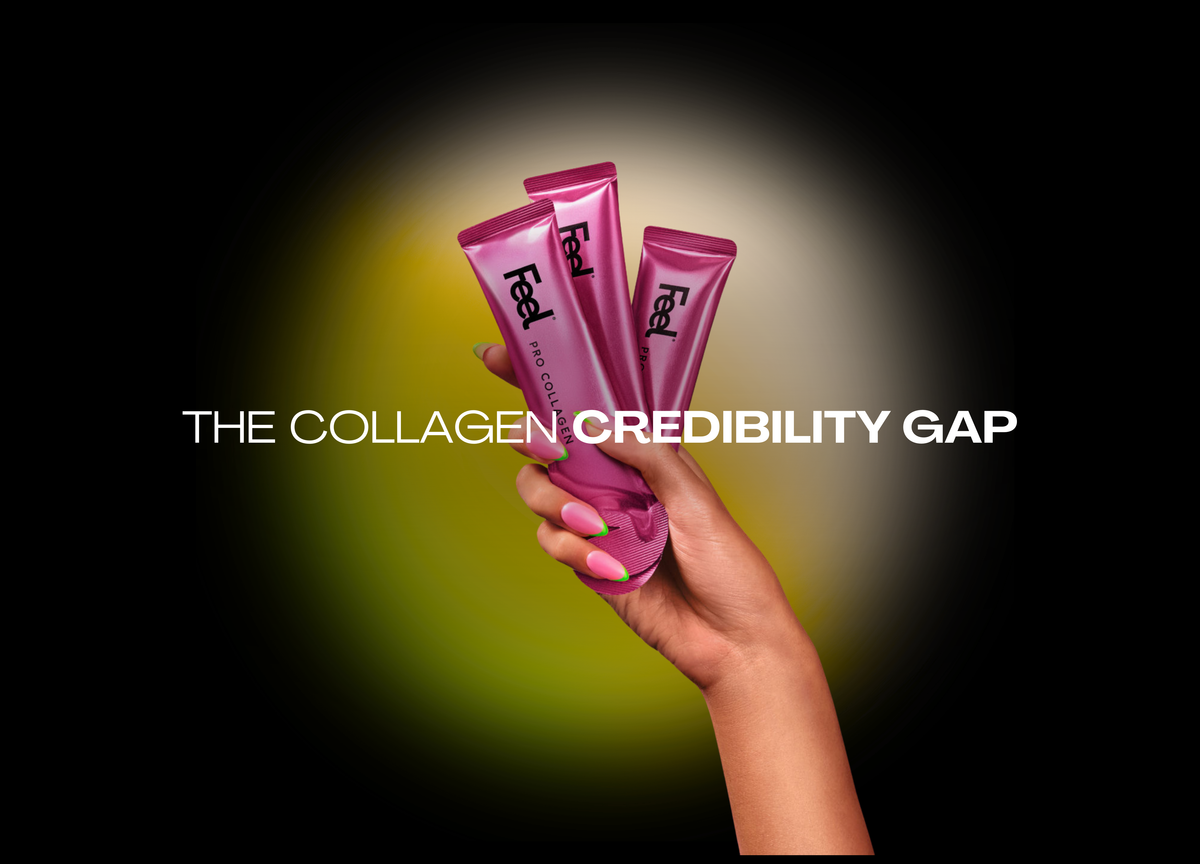
In the latest research out of Tufts University, dermatologists warn that collagen supplements — one of the wellness industry’s flagship anti-ageing products — do not deliver what marketing promises. High-quality evidence shows little benefit for skin ageing and serious questions persist about safety and effectiveness.
At first glance, this is a familiar pattern: another fashionable supplement gets debunked. But the wisdom here isn’t in the nutrition science alone. It’s in what this reveals about how consumers grapple with ageing, risk, optimism, and the promise of technologised self-improvement.
This moment is a cultural signal — not because collagen supplements failed, but because so many of us believed in them first.
What This Suggests
The collagen narrative reflects a broader shift in how society manages the anxiety and complexity of ageing and health:
- Wellness as belief system: Modern health culture has blurred the lines between scientifically validated interventions and hope-fueled commercial storytelling. Collagen supplements have thrived not because they work decisively, but because they tap into a cultural longing for simplicity in the face of complex biological processes.
- The outsourcing of agency: With ageing, people increasingly look outside themselves — to products, influencers, and brands — for solutions, even when the evidence is weak. This mirrors how digital ecosystems encourage delegation of judgement to algorithmic authority, celebrity cred, and gloss-wrapped promises.
- Scientific literacy as cultural capital: The public has never been more aware of scientific framing, yet the interpretation of science remains uneven. Marketing claims often outpace evidence, creating a gap between understanding and belief.
This isn’t just about skin. It’s about how society navigates uncertainty at the intersection of desire, biology, and commerce.
Why It’s Emerging Now
Several cultural forces are converging here:
- Ageing populations in affluent societies are driving demand for anti-ageing products that promise control over time’s effects.
- Wellness culture now dominates digital attention ecosystems, turning lifestyle advice into shorthand for rising anxieties about health, productivity, and self-valuation.
- Scientific authority has fractured, with “evidence” becoming a negotiable commodity in media ecosystems — elevating marketing claims that feel credible even when they aren’t robustly supported.
What we see in the collagen story is not a simple rejection of a supplement but a broader misalignment between evidence generation and consumer meaning-making.
What It May Lead To
This cultural logic could have multiple downstream effects:
- Suspicion of wellness products may grow, triggering micro-bursts of backlash against categories previously seen as “safe.”
- Consumers may increasingly demand not just facts but interpretation of scientific claims — a market opening for curated cultural intelligence.
- Brands that authentically bridge evidence and lived experience may gain disproportionate cultural authority compared to those that rely on marketing alone.
- Public trust in scientific packaging may erode further, setting the stage for a broader scepticism not rigidly anti-science, but anti-overclaim.
None of these outcomes are definitive yet. What is clear is that supplements like collagen are now cultural symbols, not just commodities.
Who Should Pay Attention
- Consumers of wellness culture seeking clarity amidst conflicting claims
- Brands in beauty and health sectors navigating credibility and trust
- Media and content creators covering science and lifestyle narratives
- Strategists and cultural operators tracking how biology, ageing, and aspiration intersect
Signal Maturity
Emerging.
This pattern of wellness myth-making is not new, but its persistence amid greater scientific literacy suggests a crystallising cultural logic rather than a passing fad.
Implications for Culture, Brands, and Power
For culture: The collagen episode underscores a deeper tension in how contemporary society approaches ageing and self-improvement. Rather than confronting ageing as a process, many prefer the symbolic comfort of products that promise control. This reflects a cultural anxiety about time, autonomy, and materiality — and how those anxieties get displaced onto consumable artefacts.
For brands: There is a pivotal inflection point between persuasion and credibility. In a marketplace saturated with competing claims, authenticity calibrated against evidence — not just optimism — may define long-term relevance. Brands that embed credible interpretation into their narratives will have a structural advantage over those that lean solely on aesthetic or aspirational messaging.
For power: The collagen narrative highlights how institutional authority — whether scientific, regulatory, or cultural — is no longer the sole arbiter of truth. In digital ecosystems where marketing, influencers, and scientific claims intermingle indistinguishably, power over meaning is increasingly decentralised. Cultural legitimacy arises not from official sources alone but from interpretive communities that mediate belief.
The collagen controversy isn’t just about beauty pills. It is a cultural moment that reveals how desire, science, and commerce intersect — and how societies now make meaning from biology in an era of abundant information but scarce interpretation.