Why Gen Z Is Turning Skincare Into a Public Performance
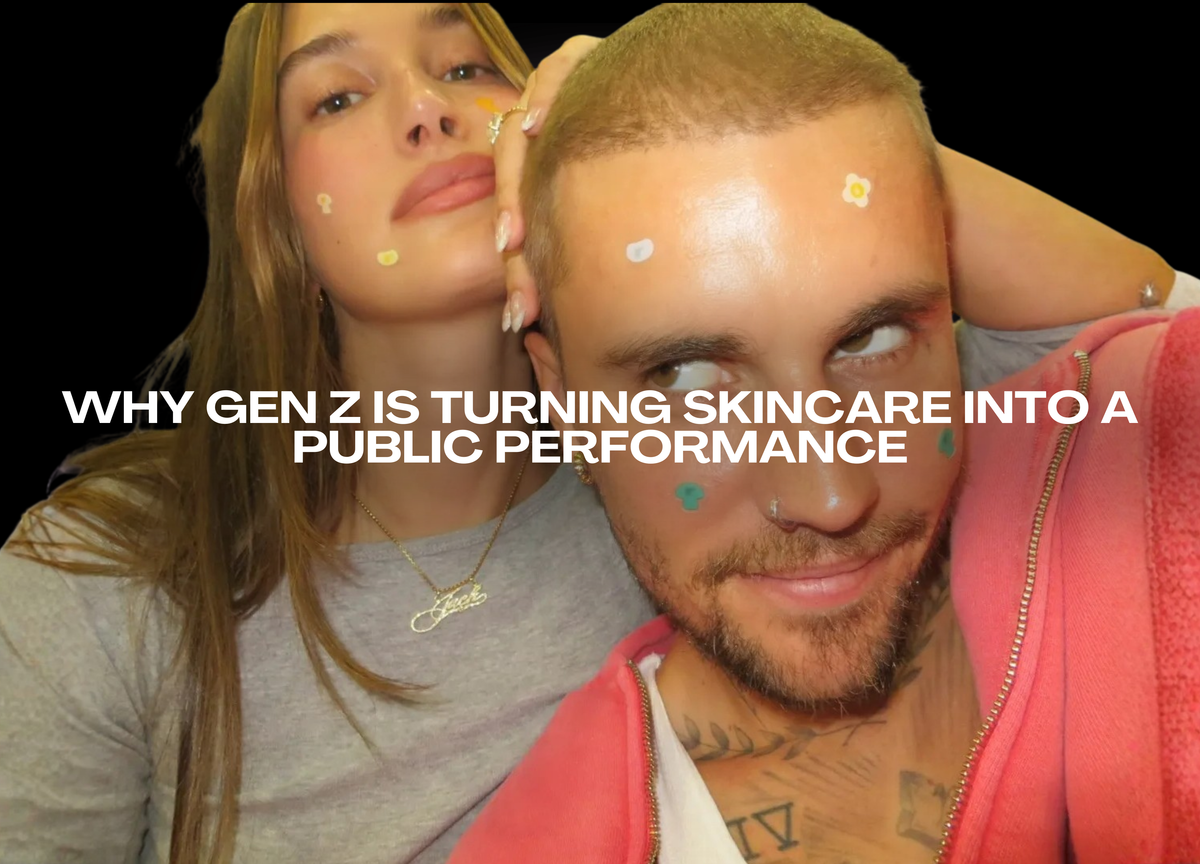
Gen Z is turning skincare into performance. From visible pimple patches to wearable wellness, beauty is shifting from private ritual to public identity and cultural expression.
The Rise of Visible Skincare and the New Attention Economy of Beauty
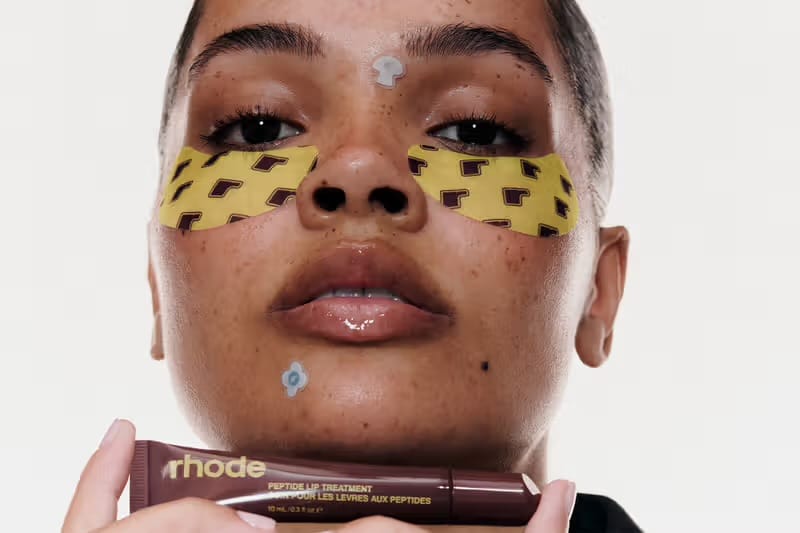
Rhode’s latest launch of “Spotwear” pimple patches, developed by Hailey Bieber and Justin Bieber, arrives in a category that is already culturally saturated. Hydrocolloid patches have existed for years, and brands like Starface have already transformed them into playful, visible objects. Yet Rhode’s entry is not about catching up. It is about accelerating a deeper shift already underway: skincare is no longer something you do in private. It is something you perform in public.
What emerges is a new cultural behaviour where the face itself becomes a medium. Not just for self-care, but for identity, aesthetics, and broadcast.
For decades, skincare operated within a logic of concealment. Acne was treated discreetly, often hidden under makeup or neutral-toned solutions designed to blend into the skin. Gen Z has overturned that logic entirely. Brightly coloured patches, graphic shapes, and culturally coded designs have reframed blemishes from something to hide into something to stylise. What was once clinical has become expressive. What was once invisible has become intentional.
This is not simply a beauty trend. It is a behavioural shift shaped by social platforms. Skincare now exists within the same visual economy as fashion. Products must be recognisable at a glance, legible through a front-facing camera, and culturally fluent enough to circulate across feeds. In this environment, visibility is not a flaw. It is the point.
Gen Z Skincare Trends 2026: Why Visible Beauty and Wearable Wellness Are Redefining Self-Care
Rhode’s use of the term “Spotwear” is particularly revealing. It reframes acne treatment as something closer to styling than healing. Language, here, is doing strategic work. It signals that skincare is no longer confined to function. It belongs to the same category as accessories, cosmetics, and even clothing. The implication is subtle but powerful: you are not just treating your skin, you are choosing how it appears in public space.
This aligns with a broader shift toward socially shareable wellness. Products are increasingly designed not only to work, but to be seen working. The rise of patches that deliver skincare while acting as visible signals suggests that functionality is becoming intertwined with performance. Consumers are no longer passive users of products. They are active participants in how those products are seen, interpreted, and circulated.
At the same time, this movement is underpinned by a generational rejection of shame. Gen Z has led a wider cultural embrace of skin positivity, where texture, acne, and imperfection are normalised rather than erased. Visible pimple patches sit at the intersection of these two forces. They are both practical and symbolic. They treat the skin while also signalling a refusal to conceal it.
Yet there is a tension emerging beneath the surface. As skincare becomes more visible, it also becomes more performative. The face is no longer just skin. It is a canvas, a platform, and increasingly, a form of media. Branded patches, logo-adjacent aesthetics, and highly stylised routines blur the line between self-care and self-presentation. In some cases, the act of showing the product may begin to outweigh the outcome it delivers.
Rhode understands this dynamic intuitively. The brand does not need to lead on product innovation because it is operating at the level of cultural meaning. By embedding its patches within celebrity narrative, festival culture, and highly shareable design, it positions skincare within the attention economy rather than the dermatology aisle. This is where late entrants can still win. Not by being first, but by being culturally precise.

What This Signals
Skincare is no longer a private ritual. It is becoming a visible layer of identity. The face is evolving into a form of media where products signal taste, alignment, and participation in culture. Acne is not just being normalised. It is being aestheticised, transformed into something that can be styled, shared, and even curated.
This marks a broader shift from function to expression. Products that once existed purely to solve a problem are now expected to communicate something about the person using them. In this landscape, visibility becomes value. The more a product can travel across social platforms, the more culturally relevant it becomes.
What Happens Next
Wearable wellness will expand beyond pimple patches into a wider ecosystem of visible self-care. Eye masks, skincare tools, supplements, and functional beauty products will increasingly be designed for public consumption, not private use. Beauty will adopt the mechanics of fashion, with drops, collaborations, and seasonal aesthetics driving demand and relevance.
At the same time, the boundary between treatment and styling will continue to dissolve. Consumers will not just ask whether a product works. They will ask how it looks, how it signals, and how it performs within their digital identity.
Implications for Culture and Brands
For culture, this signals a redefinition of self-care. It is no longer solely about improvement or correction. It is about presentation, identity, and participation in a shared visual language. The risk is that healing becomes secondary to performance, raising new questions about authenticity in an increasingly mediated world.
For brands, the shift is unequivocal. Function is now the baseline. Expression is the differentiator. Products must be designed for the camera as much as for the consumer. Cultural fluency, visual distinctiveness, and narrative integration will determine success more than technical innovation alone.
The brands that win will not simply create products. They will create artefacts of culture that people choose to wear, share, and be seen with.
Explore more signals shaping the next generation in our Gen Z insights hub:
 Brad Davidson