Why Gen Z is Rebuilding Culture in the Physical World
Gen Z is quitting the feed for the real world. Explore Why Gen Z is Rebuilding Culture in the Physical World, the rise of the Connection Economy, and why physical presence is the new cultural currency in 2026
From Digital Fatigue to Physical Presence: The New Generational Shift
For the better part of two decades, we lived through a collective, global migration. It was a gold rush, but instead of heading West, we headed "Up." We watched as the bedrock of our human experience was systematically uploaded to the cloud.
Friendships were distilled into the blue-hued shorthand of messaging apps. Music was untethered from the tactile groove of vinyl and the humid energy of the basement show to become an invisible, infinite stream. Even our identities—once forged in the fire of real-world trial and error—became something we "built" through avatars, bios, and carefully curated grids.
For Gen Z, the first generation to be issued a digital passport at birth, this ecosystem initially felt like total liberation. It offered a world without geography, a self without a shadow, and a culture that moved at the speed of light.
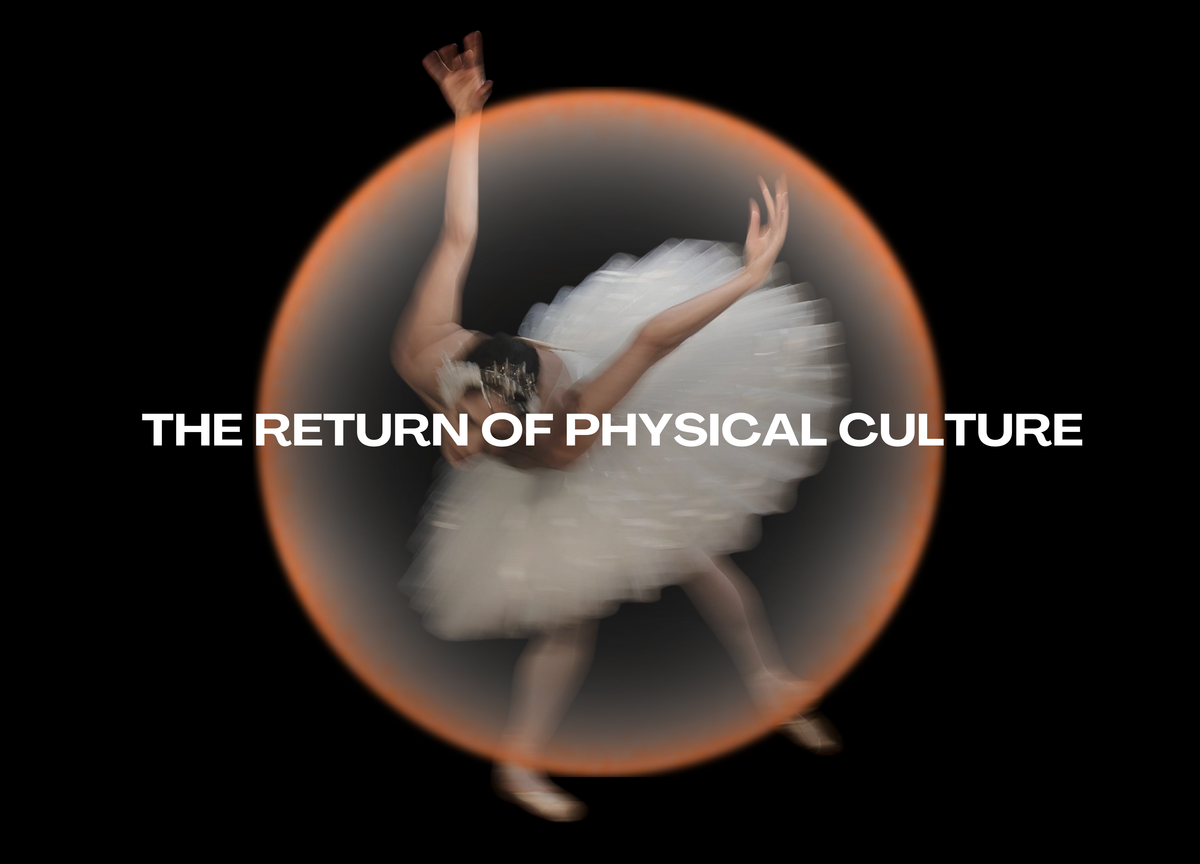
But as the neon glow of the 2010s fades into a blurry rearview, a quiet, tectonic shift is underway. We are witnessing The return of physical culture. Young people are stepping back into the physical world, not out of a "vintage" aesthetic or a Luddite’s rejection of the silicon age, but in pursuit of the one commodity the digital world has failed to scale: Presence. This isn’t a retreat; it’s a recalibration. After twenty years of digital acceleration, we are entering the era of physical rebalancing.
Part I: The Signal in the Noise
If you look at the surface of TikTok or Instagram, everything looks "normal." The content is still flowing. But if you look at the intent behind the usage, the cracks are starting to show. We are seeing the rise of Digital Friction.
The "digital fatigue" once whispered about in niche wellness circles has become a mainstream mandate. According to the Pew Research Center, 62% of adults now report feeling overwhelmed by their digital lives, expressing an active desire to sever the tether. But the data gets really interesting when you look at the youth.
Research from Talker reveals that 63% of Gen Z—the generation supposedly "glued to their phones"—are intentionally choosing to spend time offline, surpassing the habits of their older, supposedly more "grounded" counterparts.
Why? Because the ROI of a "Like" has plummeted. In 2012, a notification gave you a hit of dopamine. In 2026, it often just feels like an obligation.
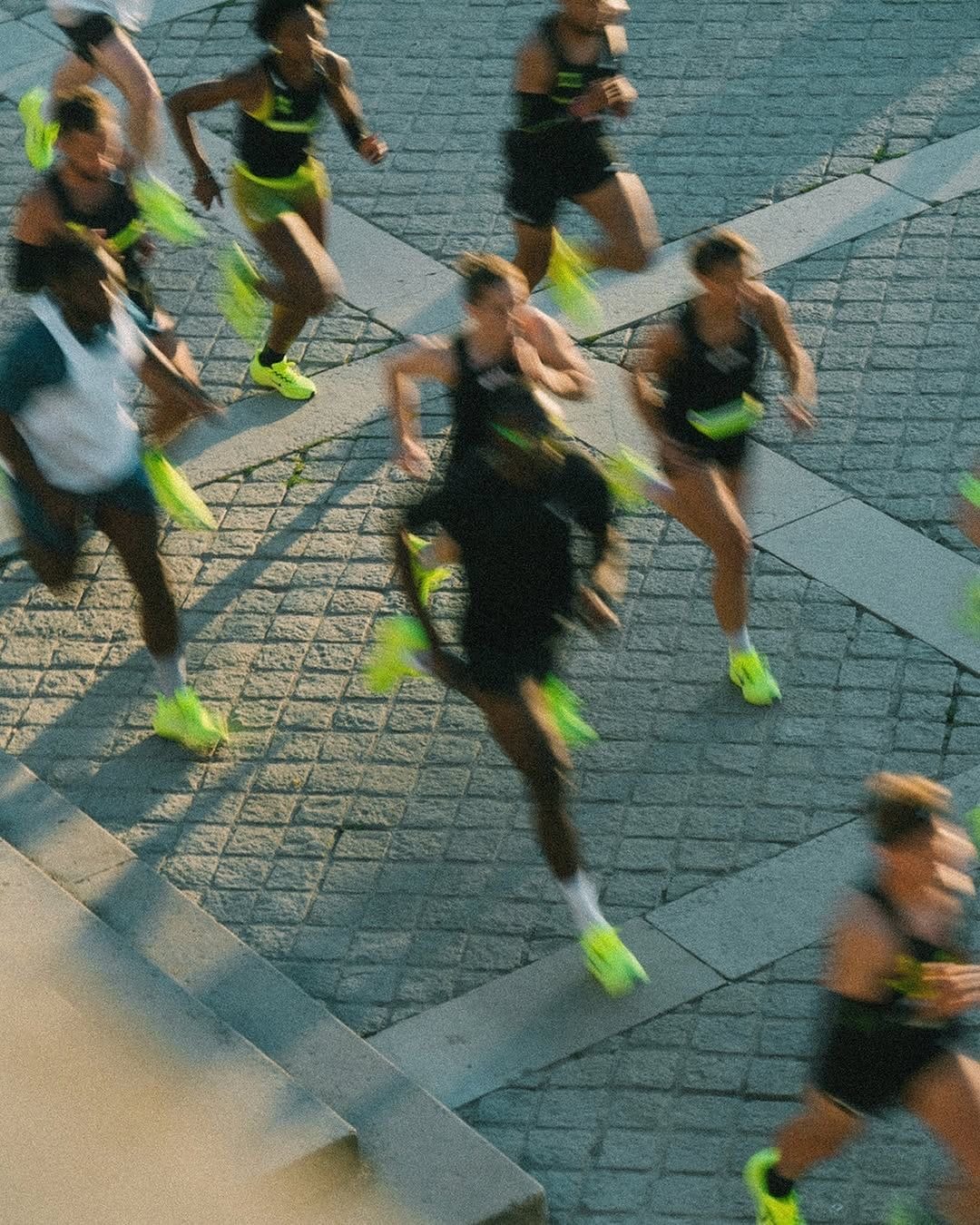
We see this shift most clearly in the physical body. Data from Strava indicates that Gen Z is ditching the passive scroll for the active stride. Their global trend reports highlight a surge in running, cycling, and outdoor sports. But these aren't the solitary, vanity-driven workouts of the 80s. These are communal rituals. They are "The New Nightlife."
Meanwhile, Fortune reports that nearly 80% of Gen Z and Millennials plan to attend more live events this year. They aren’t looking for "content" to watch; they are looking for "contexts" to inhabit. The message is clear: The screen has reached its limit as a vessel for meaning.
Part II: The Infrastructure of Belonging
For years, the prevailing futurist narrative was one of total immersion—the "Metaverse." We were told we’d eventually live, work, and play in a permanent digital state. The reality emerging today is the exact opposite.
Instead of moving into the screen, the next generation is repositioning technology as infrastructure rather than destination. In this new cultural hierarchy:
• The Internet is the logistics layer (the "how").
• Physical Spaces are the experiential layer (the "where").
• Meaning is found in the friction between the two.
We are living in a Hybrid Cultural Environment. Technology enables coordination, but the "soul" of the culture only emerges through physical interaction. The internet has been demoted to the role of the invitation; the real world has been promoted back to the stage.
Take the modern "Run Club" phenomenon. You find the group on a Discord server or an Instagram story. You track your progress on an app. You might even coordinate your outfit in a group chat. But the culture—the shared breath, the high-fives at the finish line, the post-run coffee where you actually talk about your life—that cannot be digitized.
This is what we call The Hardware of Humanity. We are realizing that while software can connect us, only hardware (the physical world) can bond us.
Part III: The Evolution of the Experience Economy
This shift is gutting and rebuilding the commercial landscape. We’ve moved past "Experience Economy 1.0"—the era of the "Instagram Museum" (those hollow, neon-lit rooms designed purely for photos) and into Experience Economy 2.0.
This new era is defined by Utility and Depth. Consumer research consistently shows that 60% of Gen Z would rather spend their capital on an experience than a physical product. This is why the traditional shopping mall is undergoing a radical metamorphosis.
Studies show that over 60% of Gen Z visit malls primarily to socialize. The "Store" is no longer just a place where you buy a hoodie; it’s a "Cultural Hub."
• Retail as Residency: Brands are turning stores into studios where creators can work.
• Commerce as Community: Shops are hosting supper clubs, workshops, and late-night talks.
• The Death of the Transaction: If a brand doesn’t offer a reason to show up in person, it effectively doesn't exist in the physical culture.
The "Truffle" perspective here is simple: If you’re just selling a product, you’re a commodity. If you’re hosting a community, you’re a culture.
Part IV: Movement as the New Social Currency
If you want to find the heartbeat of 2026, don’t look at the charts. Look at the trails.
According to McKinsey & Company, 56% of Gen Z consider fitness a top life priority—a statistic that dwarfs previous generations. But this isn't about "getting shredded" for a mirror selfie. This is about Movement as Connection.
We are seeing the rise of the "Third Place" through wellness.
1. The Run Club as the New Bar: Why spend $100 on cocktails when you can spend an hour running and grab a $5 coffee with 50 people who share your values?
2. Outdoor Renaissance: The Outdoor Industry Association notes a massive spike in Gen Z participation in nature-based travel. For a generation raised in the sanitized, "Safe Search" environment of the digital world, the "uncontrolled" nature of the outdoors—the dirt, the rain, the lack of signal—is the ultimate luxury.
3. The Wellness Rave: From sober morning discos to breathwork sessions in abandoned warehouses, movement is becoming the primary vehicle for modern belonging.
Nature isn't just scenery anymore; it’s a form of cultural discovery. It’s the one place where the algorithm can’t find you.
Part V: The Connection Economy
For a decade, we lived in the Attention Economy. Platforms fought a war of attrition for our eyeballs, monetizing every millisecond of "engagement." But as the research consultancy dcdx highlights, we are entering the Connection Economy.
In this model, influence is no longer measured by impressions, views, or likes. It is measured by Presence. Success for a brand or a creator in 2026 is defined by how many people they can get into a room, onto a trail, or around a table. This is why we see a surge in "interest-based communities"—niche collectives centered around everything from fermentation and ceramics to analog photography and urban gardening.
These aren't just "hobbies." They are the new infrastructure of belonging. In a world of infinite digital choice, the most radical thing you can do is commit to a physical group of people in a specific geographic location.
Part VI: Why the "Physical Turn" Changes Everything
The return of physical culture isn't just a trend for the "cool kids" in East London or Brooklyn. It’s a structural shift that will redefine how we live for the next thirty years. Three fundamental shifts stand out:
1. Identity is an "Action," Not a "Profile"
In the digital era, identity was curated through aesthetics—what you posted, what you "liked," what you wore in a selfie. In the physical era, identity is forged through participation. You are where you go, who you move with, and what you build. Your cultural capital is your "Proof of Presence."
2. The Death of the Global, The Rise of the Hyperlocal
While the internet made the world a "Global Village," it also made it remarkably lonely. The new physical culture is unapologetically local. We are seeing a resurgence of neighborhood pride. People are finding their "tribe" globally on the internet, but they are choosing to build their lives locally.
3. The Architecture of Interaction
Our cities and spaces must now adapt. The future belongs to the Hybrid Space. We need cafés that are also event venues, retail stores that host residencies, and parks designed for communal programming. The "Cultural Strategy" of a brand or a city will now be synonymous with its "Spatial Strategy."
Part VII: The Psychology of the "IRL" High
Why is this happening now? Psychologists point to the concept of High-Fidelity Interaction. A Zoom call or a FaceTime captures maybe 10% of the human "signal." We miss the micro-expressions, the shared atmosphere, the scent, and the peripheral energy of being in a crowd. We have spent fifteen years living on a low-fidelity diet, and our brains are finally demanding the "full-spectrum" experience.
There is a specific neurochemical release that only happens in person—Collective Effervescence. It’s that feeling you get at a concert, a stadium, or a protest where you feel like you are part of something larger than yourself. You can’t get that from a 4K stream. You have to be there.
The next generation isn't "anti-tech"; they are "pro-human." They are using tech to find the humans, and then they are putting the tech away.
Part VIII: Who Should Pay Attention?
This isn't just a lifestyle shift; it’s a business imperative.
• Founders and Investors: The next "Unicorns" won't be pure software plays. They will be companies that use software to facilitate physical experiences. Think "Experience-Led Commerce."
• Urban Planners: We need to stop designing cities for cars and start designing them for "collisions"—the random, beautiful interactions that happen when people share space.
• Cultural Institutions: Museums and galleries need to move away from "Look but don't touch" and toward "Participate and Create."
• Brands: If your marketing budget is 100% digital, you are talking to ghosts. You need to be hosting the Friday night.
Part IX: The Road Ahead (2026 and Beyond)
As we look toward the horizon, the implications of this "Physical Return" are staggering.
We expect to see Hyperlocal Cultural Ecosystems become the primary drivers of trend and taste. We will see tech companies—once the architects of our isolation—rebranding themselves as "Coordinators of Connection."
The digital era expanded the reach of culture, allowing us to see everything. The physical era will deepen the presence of culture, allowing us to feel everything.
The most important cultural question of the next decade won't be about the next AI breakthrough or the next social media platform. It will be: "Where are we meeting?"
The innovators who realize we are starving for skin-in-the-game, real-world interaction will be the ones who define the next century. The screen was a detour. The destination has always been each other.
References
• Pew Research Center (2025): "The Great Disconnect: A Comprehensive Study on Digital Fatigue and the Return to Physical Communities."
• Talker Research (2025): "Generational Disconnection: Why 63% of Gen Z is Deliberately Choosing an Offline Lifestyle."
• Strava (2025): "The Year in Sport: Global Trends in Communal Movement and the Death of the Solo Workout."
• McKinsey & Company (2024): "The Wellness Mandate: How Gen Z is Redefining Health, Belonging, and Consumer Spending."
• Outdoor Industry Association (2025): "The New Frontier: Tracking the Youth Migration to Nature-Based Recreation."
• Eventbrite/Fortune (2024): "The Experience Economy 2.0: Why Participation is the New Luxury for Millennials and Gen Z."
• dcdx Research (2025): "The Connection Economy: Moving Beyond Attention and the Future of Brand Belonging."
• Harvard Business Review (2024): "The Death of the Third Place and the Rise of the Hybrid Social Hub."
• Journal of Social Psychology (2025): "Collective Effervescence: The Neurobiology of Real-World Interaction in a Post-Digital Age."